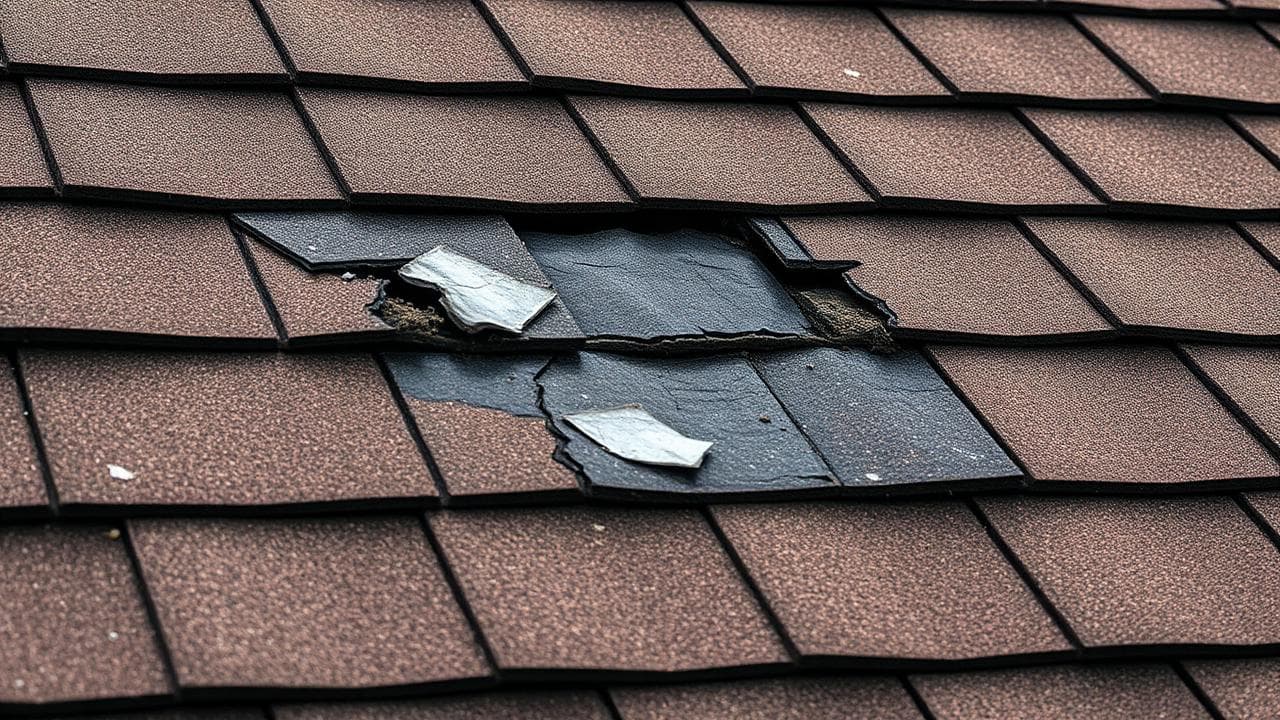
Check three things before signing: a Colorado contractor license, proof of liability and workers' comp insurance, and a written warranty that covers both materials and labor. Superior sits in the hail belt, so your roofer needs storm-damage experience and a track record you can verify with real references.
Storm-chasing crews flood Superior after every May hailstorm. Some are legitimate. Most vanish before the warranty ink dries. You need a contractor who will answer the phone in February when an ice dam springs a leak.
Does the Contractor Hold a Valid Colorado License and Insurance?
Colorado does not require a state roofing license, but most municipalities do. Superior requires a business license and building permits for roof work. Ask for the license number and verify it with the town. A contractor who balks at showing paperwork is hiding something.
Demand certificates of insurance for general liability and workers' compensation. Call the insurance company directly to confirm the policy is active and covers the dates of your project. If a worker falls off your roof and the contractor has no workers' comp, your homeowners policy may be on the hook. That risk is not worth a low bid.
Ask how long the company has operated under its current name. Storm chasers rebrand every season to dodge bad reviews. A contractor with a stable business name and a local address is easier to hold accountable.
What Does the Written Estimate Actually Include?
A serious estimate lists the roofing material by brand and model, the number of squares, the underlayment type, the ventilation plan, and the disposal method for old shingles. Vague line items like "roofing materials" or "labor" are red flags. You cannot compare bids if you do not know what you are buying.
Class 4 impact-resistant shingles cost more up front but can qualify you for a homeowners-insurance discount and hold up better during Front Range hail season. If the estimate does not specify shingle class, ask. If the contractor does not know, find someone who does.
The estimate should break out the roof inspection, tear-off, installation, flashing, ventilation, and cleanup. It should state the start date, the estimated duration, and the payment schedule. Never pay the full amount up front. A typical schedule is one-third at signing, one-third at material delivery, and the final third after you approve the finished work.
Get at least three written estimates. The lowest bid is often missing something. The highest bid is not always the best work. Look for the estimate that explains what you are getting and why it costs what it does.
Can You Verify References and Online Reviews?
Ask for three references from projects completed in the past year in Superior, Louisville, or Lafayette. Call them. Ask if the crew showed up on time, if the project stayed on budget, if the site was clean at the end of each day, and if any problems came up after the final invoice. A contractor who refuses to provide recent local references is not confident in the work.
Check Google and Yelp reviews, but read the details. A 4.3-star average from 123 reviews tells you more than a perfect 5.0 from six reviews. Look for patterns. If multiple reviews mention poor communication or surprise charges, believe them. If the reviews are all generic and posted in the same week, they are probably fake.
Search the contractor's name plus "complaint" or "lawsuit" in Google. Check the Better Business Bureau. A couple of complaints over a decade is normal. A pattern of unresolved disputes is a dealbreaker.
What Warranties Cover the Work and Materials?
Manufacturer warranties cover defective shingles. Workmanship warranties cover installation errors. You need both in writing. A standard asphalt shingle carries a 25- to 50-year material warranty, but that warranty is void if the shingles are installed incorrectly. The contractor's workmanship warranty should cover leaks and failures caused by installation mistakes for at least five years.
Read the warranty exclusions. Some warranties do not cover wind damage or ice dams. Some require annual inspections. Some are prorated, meaning the coverage drops each year. Ask what happens if the contractor goes out of business. A warranty is only as good as the company that stands behind it.
If you are filing an insurance claim for hail damage repair, make sure the contractor's warranty does not conflict with your insurance settlement. Some policies require you to use specific materials or methods. Your contractor should know how to work with adjusters and document the damage properly.
How Does the Contractor Handle Permits and Inspections?
Superior requires building permits for most residential reroofing projects. The contractor should pull the permit, schedule the inspections, and provide you with copies of the signed-off permits when the job is done. If the contractor suggests skipping the permit to save money, walk away. Unpermitted work can void your insurance, kill a future home sale, and leave you liable for code violations.
The town inspector will check the tear-off, the underlayment, the flashing, and the final installation. A contractor who is confident in the crew's work will welcome the inspection. A contractor who is nervous about inspections is cutting corners.
Ask who is responsible if the work fails inspection. The contract should state that the contractor will correct any deficiencies at no additional cost to you.
What Happens If a Problem Comes Up After the Job?
A written contract protects both sides. It should include the scope of work, the materials, the timeline, the payment schedule, the warranty terms, and the process for handling disputes. It should state who is responsible for damage to landscaping, siding, or gutters during the project. It should explain how change orders are priced and approved.
Ask what happens if the crew damages your property. Ask what happens if the project runs over schedule. Ask what happens if you are not satisfied with the work. A professional contractor has answers in writing.
Keep copies of everything: the estimate, the contract, the permit, the inspection reports, the invoice, the warranty, and the proof of insurance. If a problem comes up two years later, you will need that paper trail.
Why Local Contractors Outlast Storm Chasers
Superior is 20 minutes from Denver, 15 minutes from Boulder, and right in the path of Front Range hail. A local contractor knows that hail season runs from May through September and that freeze-thaw cycles in winter can turn a small leak into a big problem. A storm chaser from Texas does not know and does not care.
A local contractor has a reputation to protect. If your seamless gutters clog or your flashing fails, you can drive to the office and knock on the door. A storm chaser is already two states away.
Local contractors also understand Colorado building codes, municipal permit requirements, and the quirks of high-altitude UV exposure that ages shingles faster than the manufacturer's warranty assumes. That knowledge matters when your roof has to survive 300-plus sunny days a year and wind events that can peel back an improperly fastened ridge cap.
Best Roof and Gutter has served Superior and the Denver metro since 2010. We carry full liability and workers' comp insurance, pull permits for every job, and back our installations with a workmanship warranty. Our 4.3-star rating from 123 reviews on Google and Yelp reflects real projects and real accountability. We also honor the Best Price Promise: we beat any written competitor bid by $100, or donate $100 to a charity of your choice.
If you need a free roof inspection to assess storm damage or just want a second opinion on an estimate, call us at (303) 529-7095. We will walk your roof, explain what we find, and give you a written estimate with no pressure and no surprises.
How many times has hail hit your neighborhood?
We built a free lookup from the NOAA Storm Events Database: 965 verified hail reports across the Denver metro since 2016, searchable by city.
Check your city's hail history →