Ice dams form when heat escapes through your roof and melts snow. The meltwater runs down to the cold eaves and refreezes, creating a ridge of ice that traps water behind it. That trapped water backs up under your shingles and leaks into your home, damaging ceilings, walls, and insulation.
Castle Rock sits at 6,224 feet, where freeze-thaw cycles hit hard all winter. A sunny 50-degree afternoon melts snow on your roof. By midnight, temperatures drop to 15 degrees and that meltwater turns to ice. This cycle repeats dozens of times between November and March, and every repeat builds the dam higher.
Why Castle Rock Roofs Build Ice Dams Faster Than Lower Elevations
Elevation makes the problem worse. Castle Rock gets more direct sun than Denver, so daytime melting is aggressive. Nighttime lows are also colder. The temperature swing between 2 PM and 2 AM can be 40 degrees or more.
Most Castle Rock homes have attic insulation, but many were built in the 1990s and early 2000s before current energy codes. Older insulation settles and thins over time. Heat from your living space rises into the attic, warms the roof deck, and melts the bottom layer of snow even when the air temperature is below freezing.
The south-facing slopes of your roof get the most sun. Snow melts there first. Water runs down toward the north-facing eaves, which stay cold all day. Ice builds up fast on those shaded edges.
How Heat Loss Through Your Attic Creates the Problem
Your attic should be cold in winter. If it is warmer than the outside air, you have a heat-loss problem. Common causes include:
- Insufficient insulation on the attic floor
- Air leaks around recessed lights, plumbing vents, and attic hatches
- Bathroom or dryer vents that exhaust into the attic instead of outside
- Inadequate attic ventilation that traps warm air
When warm air leaks into your attic, it heats the underside of the roof deck. Snow on the roof melts from below. The meltwater flows down to the eaves, which overhang the exterior wall and stay cold because no heat reaches them. Ice forms. The dam grows. Water pools behind it and finds its way under the shingles.
A roof inspection can identify heat-loss points before they cause expensive interior damage. We check attic insulation depth, look for air leaks, and measure ventilation to spot trouble early.
What Happens When Ice Dams Break Through Your Roof
Water trapped behind an ice dam has nowhere to go but up and under your shingles. Asphalt shingles are designed to shed water flowing downhill, not to block water that is sitting still or flowing upward.
Once water gets under the shingles, it soaks the underlayment. If the underlayment is old or damaged, water reaches the roof deck. From there it drips into your attic insulation, which loses its insulating value when wet. It stains your ceilings. It runs down inside your walls and damages drywall and paint.
Homeowners in Castle Rock and Lone Tree call us every January after a week of sunny days followed by a cold snap. They see brown stains spreading across bedroom ceilings or water dripping from light fixtures. By that point, the roof repair often includes replacing soaked insulation and patching interior drywall, not just fixing the roof itself.
How to Stop Ice Dams Before They Start
Prevention is cheaper than repair. Four strategies work:
Add attic insulation. Colorado building code now requires R-49 insulation in attics. Many older Castle Rock homes have R-30 or less. Adding insulation keeps heat in your living space and out of your attic. The attic stays cold, the roof deck stays cold, and snow does not melt from below.
Seal air leaks. Insulation only works if air cannot bypass it. Seal gaps around chimneys, plumbing stacks, electrical boxes, and attic hatches with spray foam or caulk. Make sure bathroom and kitchen vents exhaust outside, not into the attic.
Improve attic ventilation. A balanced ventilation system pulls cold air in through soffit vents and exhausts it through ridge or roof vents. This keeps the attic temperature close to the outside air temperature. Proper ventilation also prevents moisture buildup that rots roof decks.
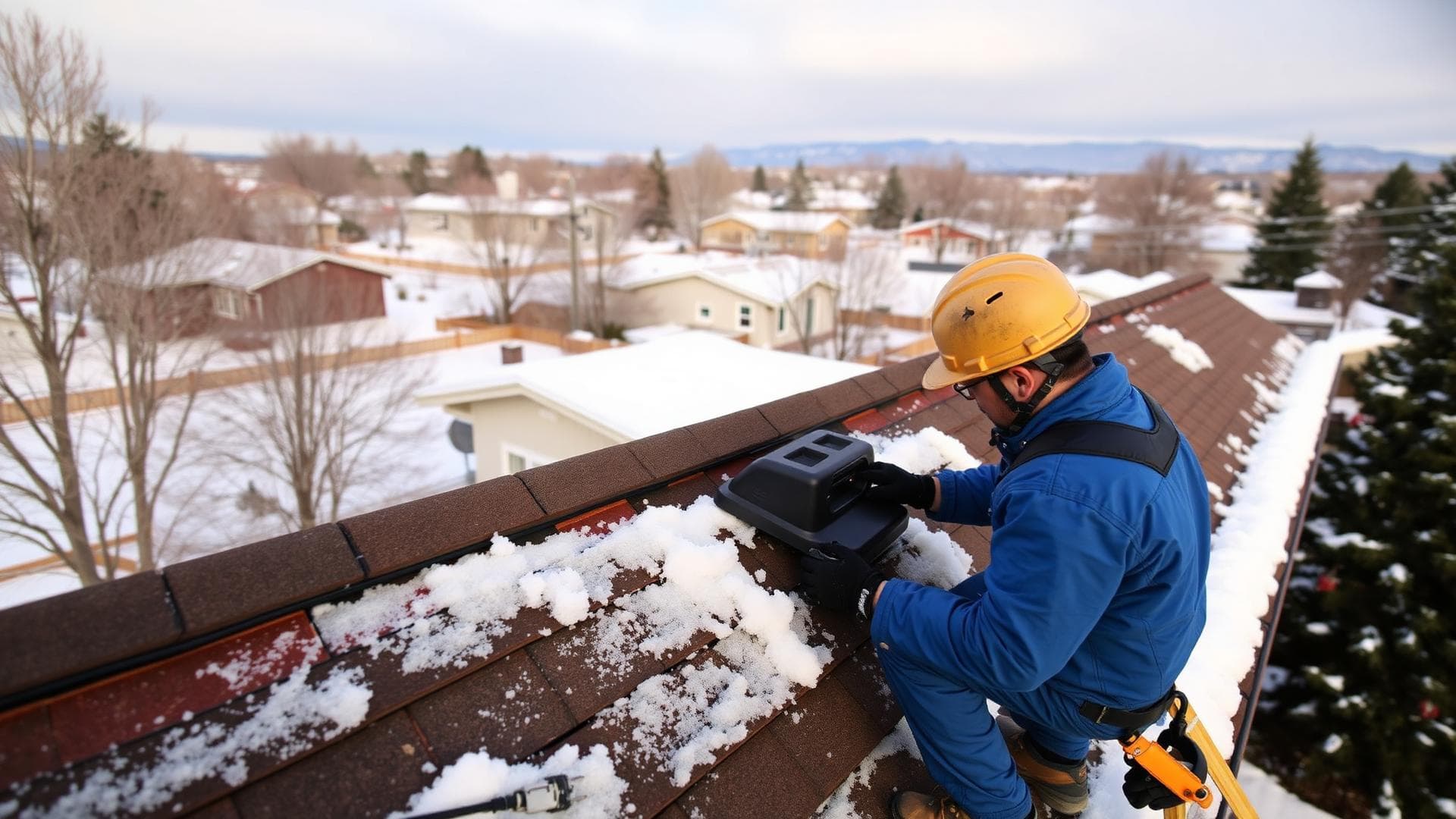
Install heat cable on the eaves. Heat cable is a low-wattage electric wire you clip to the edge of your roof and inside your gutters. It melts channels through ice dams so water can drain. Heat cable is a band-aid, not a cure, but it works when you cannot fix the underlying insulation and ventilation problems right away.
We install seamless gutters with heat-cable clips already in place for homeowners who know they will need the cable every winter. The clips make seasonal installation faster and protect the gutters from damage.
Why Removing Snow from Your Roof Helps
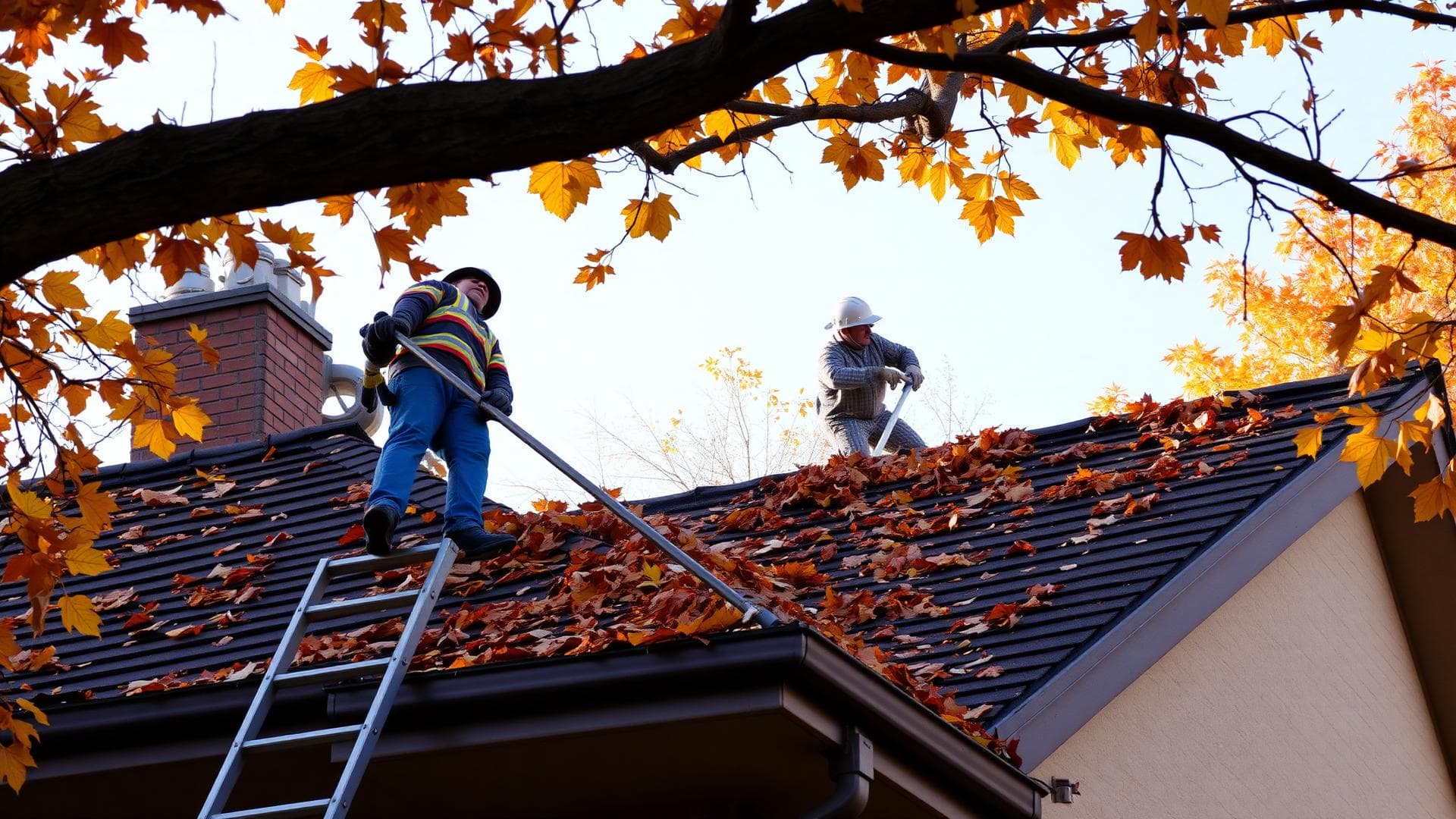
No snow means no meltwater and no ice dams. After a heavy storm, use a roof rake to pull snow off the lower four feet of your roof. Stand on the ground and work from the eaves up. Do not climb onto an icy roof.
Roof rakes have long handles and a flat blade. You slide the blade under the snow and pull it down toward you. The snow slides off the roof and lands in your yard. Clear the south-facing slopes first because they melt fastest.
If your roof is too steep or too high for a rake, hire a professional. We clear roofs in Castle Rock, Highlands Ranch, and Parker after big storms. It is faster and safer than doing it yourself, and it prevents the kind of ice-dam damage that costs thousands to fix.
What to Do If You Already Have an Ice Dam
If you see icicles hanging from your gutters or water stains on your ceiling, you already have a problem. Do not chip away the ice with a hammer or shovel. You will damage your shingles and gutters.
Call for emergency roof repair. We steam ice dams off with low-pressure hot water. Steam melts the ice without damaging the roof. Once the dam is gone, we check for leaks and make temporary repairs if needed.
If water is already inside your home, put buckets under the drips and move furniture away from wet areas. Take photos for your insurance claim. Many homeowners-insurance policies cover ice-dam damage, and we can help you document the loss.
After the emergency is handled, schedule a free roof inspection to find out why the dam formed. Fixing the insulation and ventilation problems now prevents the same damage next winter.
Ice dams are a Castle Rock fact of life, but they do not have to wreck your home. Proper attic insulation, good ventilation, and a little snow removal go a long way. If you are already dealing with leaks or interior damage, we can stop the water and fix the root cause. Call Best Roof and Gutter at (303) 529-7095 for a free inspection. We will check your attic, measure your insulation, and give you a clear plan to keep ice dams off your roof for good.