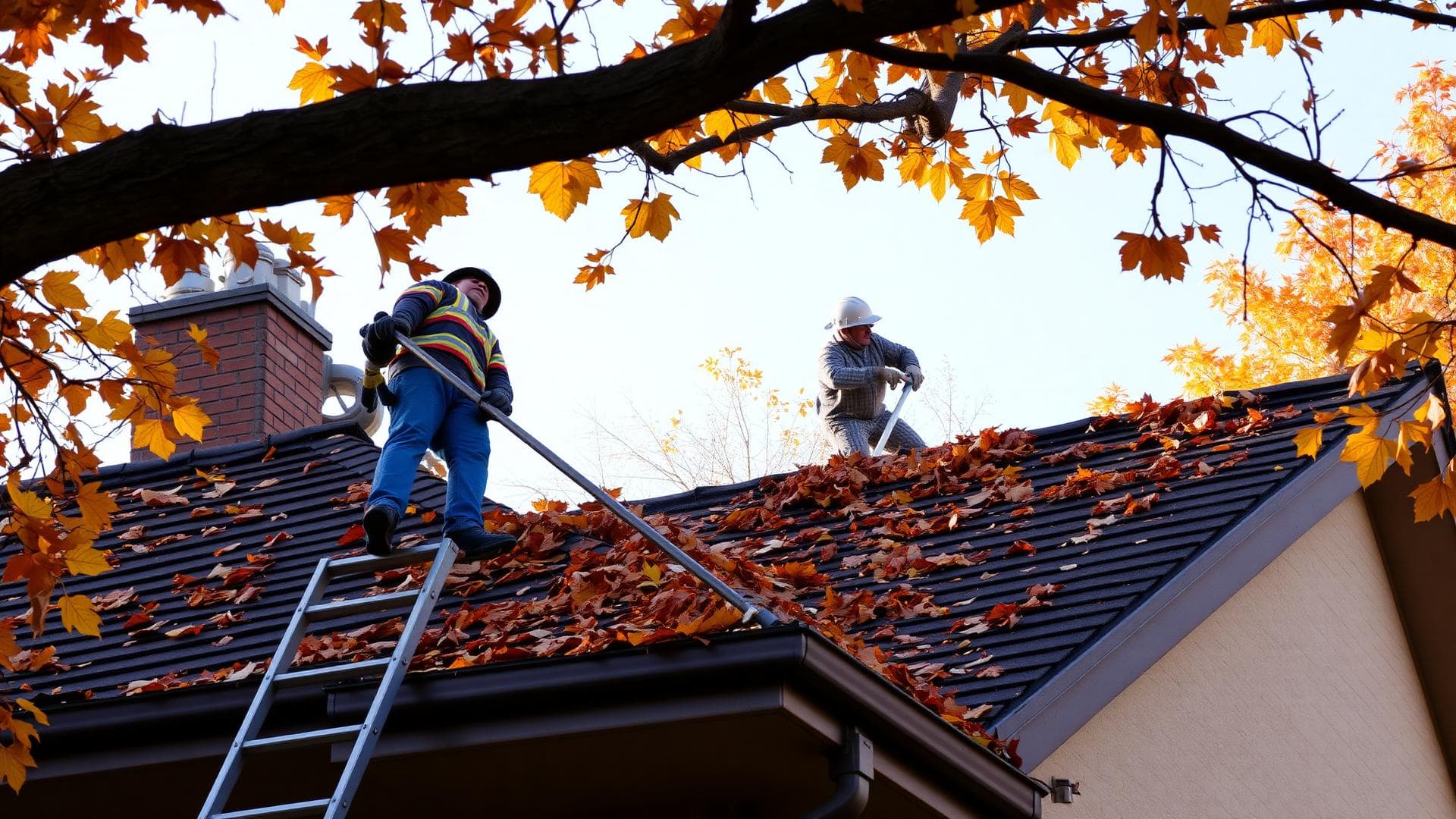
Your Louisville roof needs different care in each season. Spring brings hail threats that require inspection and shingle checks. Summer's high-altitude UV degrades materials faster than at sea level. Fall demands gutter clearing before snow. Winter freeze-thaw cycles create ice dams and stress flashing. This checklist breaks down what to do and when.
What should you inspect on your roof each spring?
Spring is hail season along the Front Range. The NOAA Storm Events Database recorded 965 hail reports within 35 miles of downtown Denver between 2016 and 2026, with 145 of those golf-ball-sized or larger. Louisville sits right in that zone.
Walk your property in March or early April and look for these warning signs:
- Shingle granules collecting in gutters or downspouts
- Dents on metal roof vents, chimney caps, or gutter edges from previous storms
- Cracked or curling shingle tabs
- Exposed or popped roofing nails
- Damaged or missing ridge caps
Check your attic on a sunny day. Light streaming through the roof deck means a hole. Water stains on rafters or insulation mean a leak, even if it is not actively dripping. Schedule a professional roof inspection before May when hail activity peaks. If you spot hail damage, document it with photos and call your insurer immediately. Waiting until after the next storm can complicate your claim.
How do you protect your roof during Denver's intense summer sun?
Colorado gets more than 300 sunny days a year, and Louisville sits at 5,300 feet elevation. That combination means stronger UV radiation than coastal cities. Asphalt shingles age faster here. A 25-year shingle might last 18 to 22 years in practice.
In June, trim tree branches that hang within six feet of your roof. Branches scrape shingles during wind events and drop leaves that trap moisture. Inspect attic ventilation. Your roof needs balanced intake (soffit vents) and exhaust (ridge or box vents) to stay cool. An overheated attic can reach 150 degrees and cook shingles from below.
Look for these summer stress signs:
- Shingles that look faded or bleached compared to last year
- Brittle or cracked tabs that snap when you press them
- Blistering or bubbling on the shingle surface
- Algae or moss growth on north-facing slopes
If your roof is over 15 years old and showing multiple symptoms, budget for residential reroofing in the next two to three years. Waiting until shingles fail completely means risking interior water damage.
What fall tasks prevent winter roof problems?
October is gutter month. Louisville gets cottonwood, ash, and maple leaves that clog downspouts fast. Clogged gutters overflow and send water under shingles or into your foundation.
Clean gutters twice in fall: once in early October after the first big leaf drop, again in late November after trees are bare. Flush downspouts with a hose to confirm water flows freely. Check gutter pitch. Water should run toward downspouts, not pool in sections. If you see sagging or standing water, call for seamless gutter repair or replacement before snow arrives.
Inspect flashing around chimneys, skylights, and roof-to-wall transitions. Flashing separates or corrodes over time. Press the edges. If they lift easily or show rust, schedule repairs. Faulty flashing is the top cause of leaks during winter melt cycles.
Check attic insulation depth. Colorado building code recommends R-49 in attics (roughly 14 inches of fiberglass or 12 inches of cellulose). Thin insulation lets heat escape, which melts snow on your roof and creates ice dams at the eaves.
How do you handle freeze-thaw cycles and ice dams in winter?
Denver-area winters swing between sunny 50-degree days and sub-zero nights. That freeze-thaw pattern is hard on roofs. Snow melts during the day, runs to the eaves, and refreezes at night. Ice builds up and forces water under shingles.
After heavy snow (six inches or more), use a roof rake to pull snow off the lower three to four feet of your roof. Work from the ground. Do not climb onto an icy roof. Removing that snow eliminates the melt-water source for ice dams.
Watch for these winter warning signs:
- Icicles longer than 12 inches hanging from gutters
- Ice ridges forming along the roof edge
- Water stains on exterior walls near the roofline
- Interior ceiling stains near outside walls
If you see an ice dam forming, do not chip at it with tools. You will damage shingles. Call for emergency roof repair. A crew can steam the ice safely and fix the underlying ventilation or insulation problem.
Check attic temperatures on a cold day. Your attic should be within five degrees of the outdoor temperature. If it is 20 or 30 degrees warmer, heat is escaping through your ceiling and melting snow on the roof. Add insulation or improve ventilation before the next storm.
When should you call a professional instead of doing it yourself?
You can safely clean gutters, trim branches, and rake snow from the ground. You should not walk on your roof. Asphalt shingles are slippery when wet or frosted, and a fall from a single-story roof can cause serious injury.
Call a pro for any task that requires a ladder taller than 12 feet, work on a slope steeper than 6:12, or repairs involving flashing, shingles, or structural components. A free roof inspection from Best Roof and Gutter covers all the items on this checklist and identifies problems you cannot see from the ground.
We serve Louisville, Superior, Lafayette, and the entire Denver metro. Our crews know local conditions: the hail patterns, the Chinook winds that rip shingles off west-facing slopes, the permit requirements for each municipality. We have 4.3 stars from 123 reviews on Google and Yelp, and we beat any written competitor bid by $100 or donate $100 to a charity of your choice.
Call (303) 529-7095 to schedule your seasonal inspection. We will walk your roof, check your attic, and give you a written report with photos. No pressure, no hidden fees. Just a clear picture of what your roof needs and what it will cost.
What do gutters actually cost in Denver?
Review the dated assumptions and line items in the Denver gutter-planning resource.
Review Denver gutter cost factors →