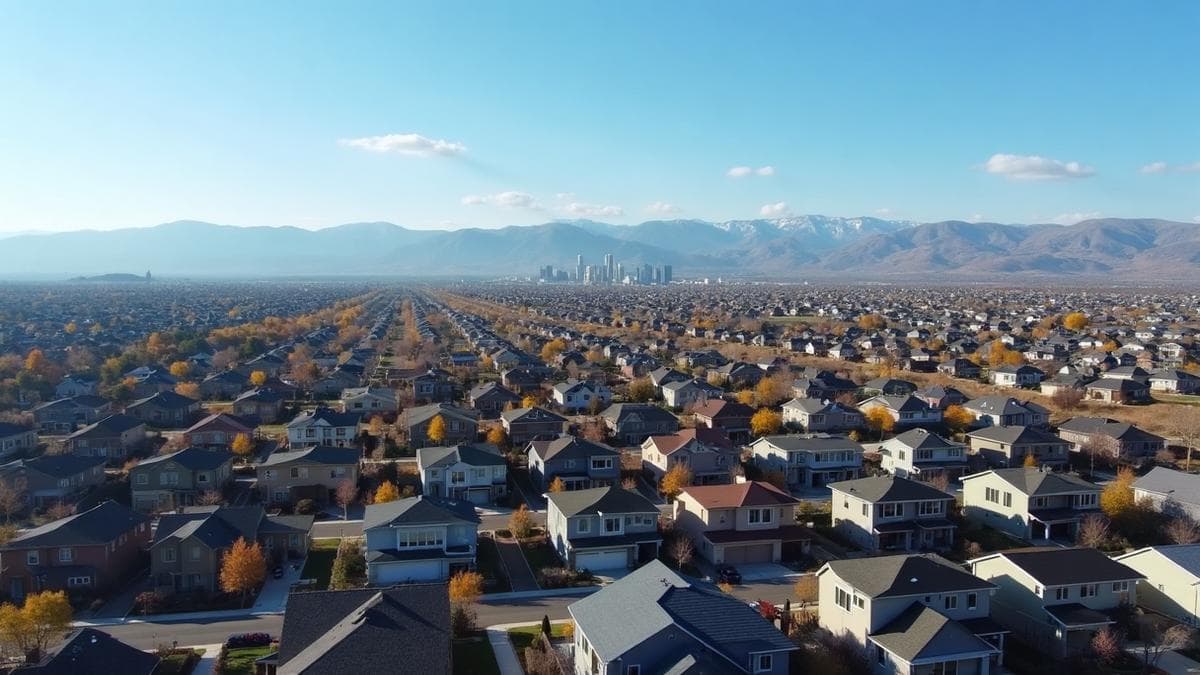
Most Littleton roofs need replacement at 18 to 22 years, but repair makes sense if damage covers less than 30% of the surface and you plan to stay in the home under five years. The decision turns on age, damage extent, and whether your insurance will cover a full replacement after hail or wind events.
Colorado's 300-plus sunny days and freeze-thaw cycles age asphalt shingles faster than the national average. A roof that would last 25 years in milder climates often fails at 20 here. Knowing when to patch and when to tear off saves thousands and prevents emergency leaks mid-winter.
How old is your Littleton roof, and what material is it?
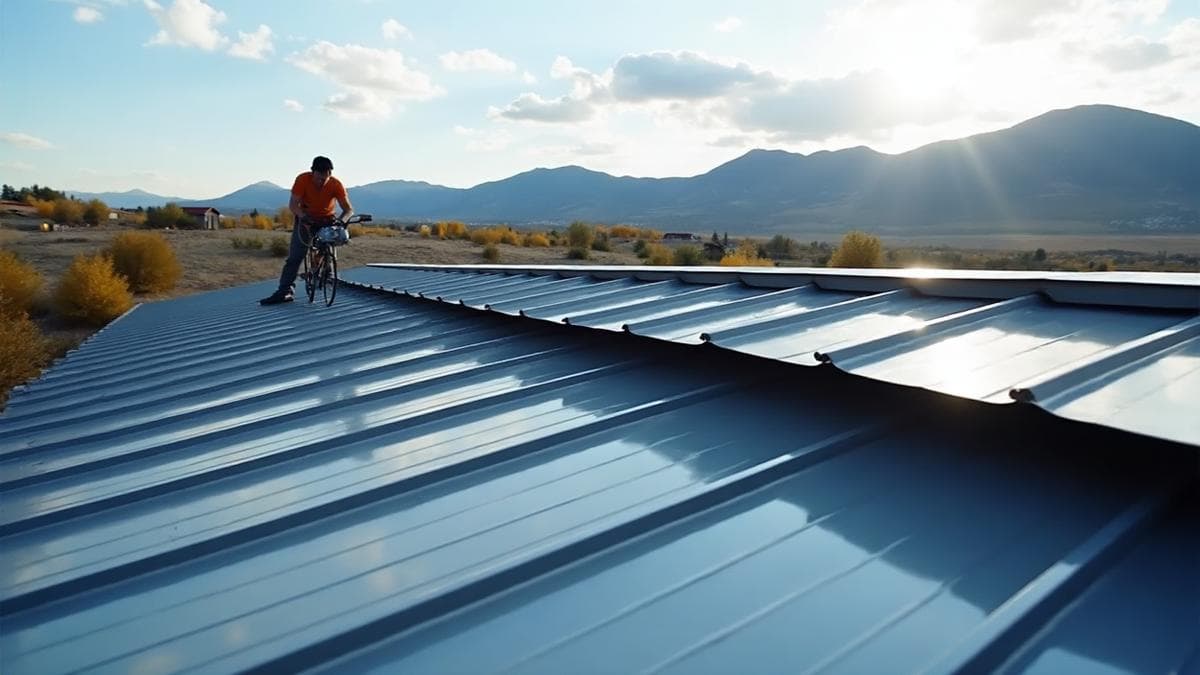
Asphalt shingles dominate Littleton neighborhoods. Three-tab shingles last 15 to 18 years under Front Range conditions. Architectural shingles push 20 to 25 years if installed correctly and maintained. Metal roofing can hit 40 to 50 years, and tile roofs often exceed 50, though the underlayment beneath tile needs replacement every 20 to 30 years.
Check your closing documents or ask the previous owner for the install date. If you cannot find records, a professional roof inspection can estimate age by examining shingle wear, granule loss, and fastener condition. Once a roof passes 75% of its expected lifespan, replacement usually beats repair on a cost-per-year basis.
Material matters for repair feasibility. Discontinued shingle lines make color-matching impossible, leaving visible patches. Metal panels can often be replaced individually. Tile roofs tolerate spot repairs well if you can source matching tiles.
What percentage of the roof shows damage or wear?
If damage covers less than 30% of the roof, targeted roof repair makes financial sense. Replace the worn valley, patch the hail-dented slope, seal the wind-lifted ridge. You buy another three to seven years without the expense of a full tear-off.
Damage over 30% tips the math toward replacement. Labor costs climb steeply when crews must work across multiple slopes, and patching that much surface rarely extends the roof's life proportionally. Insurance adjusters use similar thresholds: if hail or wind damaged more than a third of the roof, many carriers approve full replacement rather than repair.
Widespread granule loss, curling shingles, or multiple leaks signal systemic failure. At that point, repair becomes a temporary fix that postpones the inevitable. A full reroofing stops the cycle of emergency calls and water damage.
How long do you plan to stay in the home?
If you are selling within two years, a well-documented repair can satisfy buyer inspections and appraisals without the capital outlay of replacement. Buyers in Littleton and Centennial expect roofs with at least five years of life remaining, so repair works only if the roof is young enough or the damage is minor.
Planning to stay five years or more? Replacement pays off. You avoid the stress of mid-ownership failure, you can choose Class 4 impact-resistant shingles that lower insurance premiums, and you add a selling point when you do list the home. Colorado hailstorms are frequent enough that a new roof with a transferable workmanship warranty appeals to buyers.
Rental properties follow different logic. If the roof keeps water out and passes code, repair extends cash flow. But if tenants report leaks or the city flags violations, replacement avoids liability and vacancy losses.
Will insurance cover a replacement after storm damage?
Hail and wind events trigger most roof replacements in the Denver metro. If a recent storm damaged your Littleton roof, file a claim before deciding repair versus replace. Adjusters assess the number of hail strikes per 10-by-10 section and the functional impact on the shingles. Cosmetic damage alone rarely qualifies, but if strikes compromised the mat or displaced granules across multiple slopes, carriers often approve full replacement.
Front Range hail season runs roughly May through September. If your neighbors received new roofs after a July storm and you skipped the claim, you likely missed a replacement opportunity. Insurance policies require timely reporting, and waiting a year weakens your case.
Our roof insurance claims assistance includes documentation, adjuster meetings, and supplement negotiation. We have worked hundreds of claims in Littleton, Highlands Ranch, and Lone Tree. Carriers respect thorough damage reports backed by photos and moisture readings.
What are the cost differences between repair and replacement in Littleton?
Repair costs range from $300 for a simple flashing fix to $3,000 for a multi-slope patch with underlayment work. Full replacement on a typical 2,000-square-foot Littleton home runs $8,000 to $15,000 for architectural shingles, $12,000 to $22,000 for Class 4 impact-resistant shingles, and $18,000 to $35,000 for standing-seam metal. Prices vary by pitch, layers to remove, and permit fees.
Divide replacement cost by expected remaining lifespan to get an annual cost. A $12,000 reroof that lasts 22 years costs $545 per year. A $2,000 repair that buys three years costs $667 per year. If the roof is already 18 years old, the repair rarely pencils out unless you are selling immediately.
Financing changes the equation. A replacement financed at low interest spreads the cost and stops emergency repair bills. Repair paid in cash preserves liquidity but leaves you vulnerable to the next hailstorm.
How do Colorado-specific factors affect the decision?
High-altitude UV accelerates shingle aging. Granules protect the asphalt mat from ultraviolet breakdown, and once granules wash into the gutters, the mat deteriorates fast. Littleton sits at 5,351 feet, and UV intensity here degrades roofs faster than at sea level. An aging roof in Colorado has less margin than the same roof in a lower, cloudier climate.
Freeze-thaw cycles stress flashing, valleys, and penetrations. Water enters a crack, freezes overnight, expands, and widens the gap. By spring, a small leak becomes a streaming problem. Repairing one leak does not fix the systemic vulnerability of an old roof to these cycles.
Class 4 shingles resist hail impact and qualify for insurance discounts in many Colorado markets. Replacing an aging roof with Class 4 material pays a dividend every year in lower premiums. Repairing with standard shingles forfeits that benefit.
What does a professional inspection reveal?
A free roof inspection from Best Roof and Gutter includes attic moisture checks, shingle mat integrity tests, flashing condition, and a written report with photos. We climb every slope, probe suspect areas, and give you a clear repair-or-replace recommendation with cost estimates for both paths.
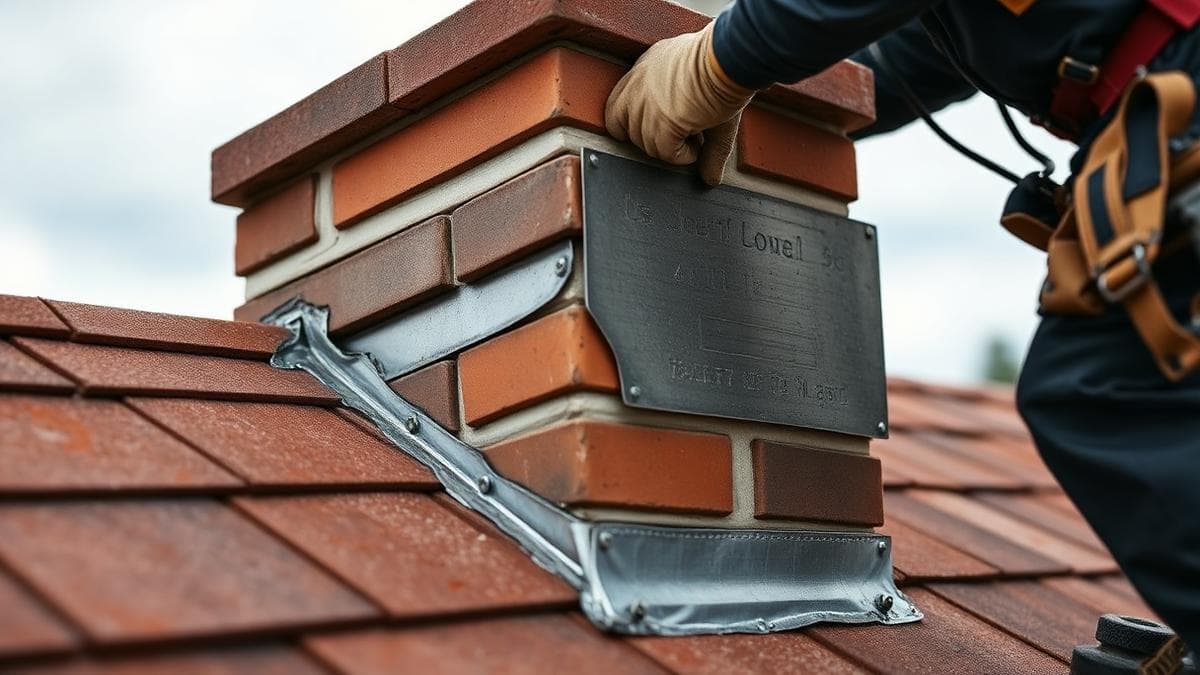
Inspectors check for nail pops, lifted shingles, cracked boots around vents, and rust on metal components. We look for interior stains, measure attic ventilation, and test the decking for soft spots. You get a full picture, not a sales pitch.
We serve Littleton, Englewood, Greenwood Village, and the southwest metro. Our crews know local permit requirements, and we pull permits for every job. The inspection is free, and you are under no obligation. Call (303) 529-7095 to schedule.
Choosing between repair and replacement comes down to math, timeline, and risk tolerance. An honest inspection and a clear cost breakdown let you decide with confidence. Best Roof and Gutter has earned 4.3 stars across 123 Google and Yelp reviews by giving Littleton homeowners straight answers. We beat any written competitor bid by $100, or donate $100 to a charity of your choice. Reach us at (303) 529-7095 or visit bestroofandgutter.com to book your free inspection.
How many times has hail hit your neighborhood?
We built a free lookup from the NOAA Storm Events Database: 965 verified hail reports across the Denver metro since 2016, searchable by city.
Check your city's hail history →