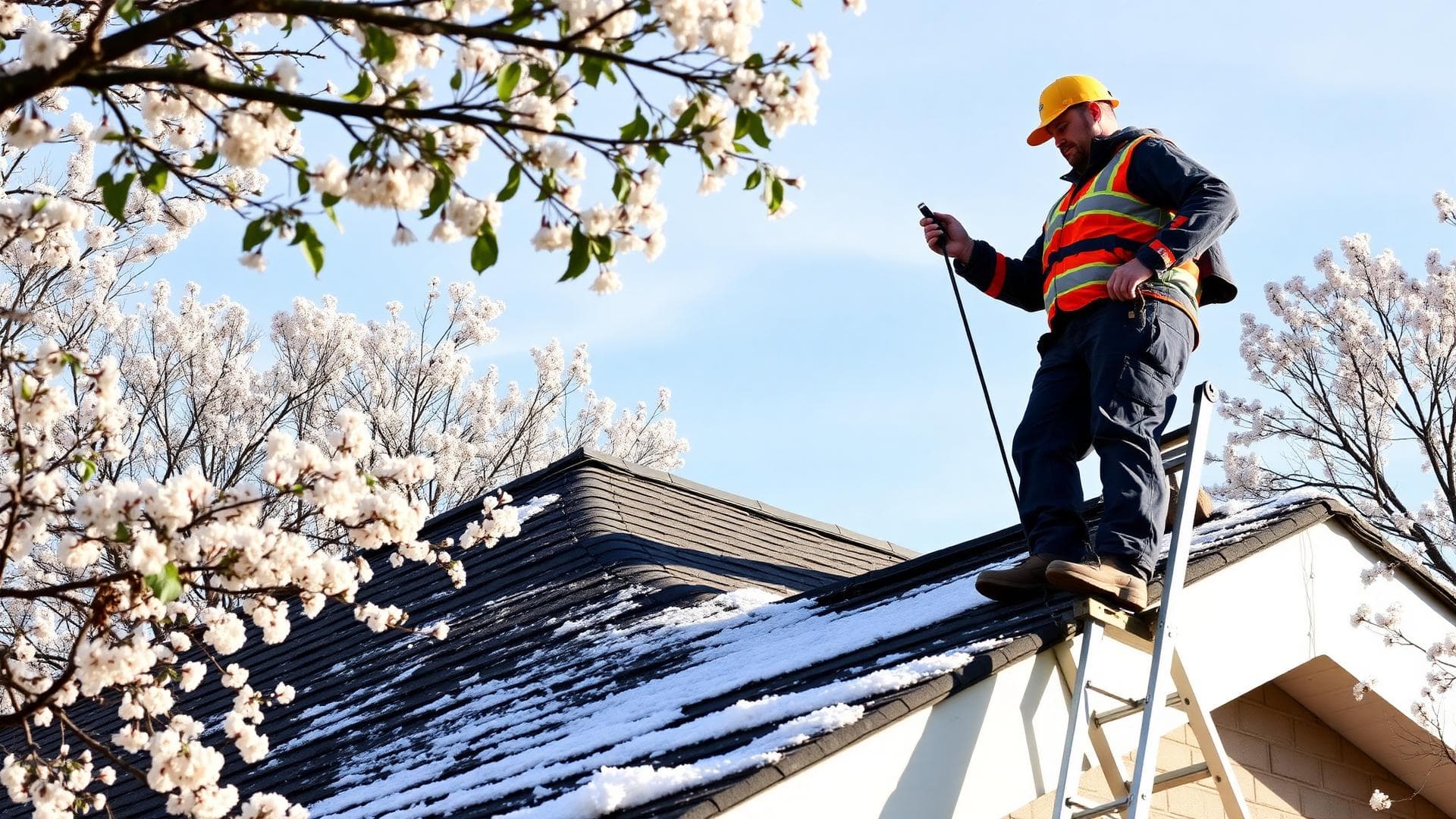
Proper roof ventilation in Broomfield prevents heat buildup, extends shingle life, and stops moisture problems even in Colorado's dry climate. Most ventilation advice comes from humid regions and doesn't account for Front Range conditions: low humidity, intense high-altitude UV, and dramatic day-night temperature swings. A Broomfield roof needs balanced intake and exhaust that handles both summer attic temps over 150°F and winter ice-dam risk from freeze-thaw cycles.
The right system keeps your roof deck dry, your shingles cool, and your energy bills lower. The wrong setup wastes money and shortens roof life.
How Does Dry Climate Change Roof Ventilation Needs?
Colorado's average relative humidity runs 30 to 40 percent, half what you see in the Midwest or South. That changes two things: moisture removal and heat management.
In humid climates, ventilation pulls out water vapor that migrates up from living spaces. In Broomfield, that vapor load is much smaller. Your attic rarely sees condensation from indoor humidity alone. The bigger problem is radiant heat. At 5,400 feet elevation, UV intensity is 25 percent higher than at sea level. Dark shingles can hit 170°F on a July afternoon. Without airflow, that heat cooks your roof deck and bakes the asphalt out of your shingles.
Winter adds a second challenge. Broomfield gets freeze-thaw cycles all season. Snow melts on warm roof sections, runs down to cold eaves, and refreezes into ice dams. Ventilation keeps the entire roof deck cold so snow doesn't melt unevenly. A roof inspection will check whether your current vents handle both summer heat and winter ice-dam prevention.
What Ventilation Ratio Works for Broomfield Homes?
Building codes call for 1 square foot of net free ventilation area per 150 square feet of attic floor. That's the minimum. In practice, Broomfield homes do better with a 1:100 ratio because of our solar load.
Balanced ventilation means equal intake (soffit or edge vents) and exhaust (ridge, gable, or roof vents). Intake pulls cool air in low. Exhaust lets hot air out high. The temperature difference drives airflow without fans. If you have 1,500 square feet of attic floor, you need 15 square feet of net free area split evenly: 7.5 square feet of intake, 7.5 square feet of exhaust.
Most Broomfield homes built before 2000 are under-vented. Builders met code but didn't account for Colorado sun. If your attic feels like an oven in summer or you see frost on roof nails in winter, you likely need more vents. A reroofing project is the best time to upgrade ventilation because the deck is exposed and ridge vents go in easily.
Which Ventilation Types Handle Colorado Conditions Best?
Ridge vents paired with continuous soffit vents are the most reliable setup for Broomfield. Ridge vents run the length of the peak. Soffit vents run the length of the eaves. Air enters low, rises as it heats, and exits high. No moving parts, no power, no maintenance.
Alternatives include:
- Box vents (static roof vents): Cheap and simple but less effective than ridge vents. You need many of them to match ridge-vent airflow. They work fine on older homes where adding a ridge vent isn't practical.
- Gable vents: Installed in gable-end walls. They move air horizontally, not vertically, so they don't create the same thermal draw. Use them as supplemental exhaust, not primary.
- Turbine vents: Spin in the wind to pull air out. They work but freeze up in winter and the bearings fail after a few years. Front Range wind can also rip them off during a downslope event.
- Power attic fans: Electric fans that exhaust hot air. They move a lot of air but cost money to run and can pull conditioned air out of your living space if the attic isn't sealed. Not needed in most Broomfield homes if passive vents are sized correctly.
For new construction or a full roof replacement, ridge-and-soffit is the standard. For older homes, a mix of static vents and gable vents often does the job without major carpentry.
Can Poor Ventilation Damage Shingles Faster in Denver?
Yes. Heat is the enemy of asphalt shingles, and Broomfield gets over 300 sunny days a year. An under-ventilated attic traps heat against the roof deck. Shingles age from both sides: UV from above, heat from below. That double load shortens lifespan.
Manufacturers rate asphalt shingles for 20, 30, or 50 years under normal conditions. High heat accelerates the loss of volatile oils. Granules loosen. Shingles curl, crack, and lose flexibility. A roof that should last 25 years might need replacement at 18 if the attic runs too hot.
Class 4 impact-resistant shingles, common in hail-prone areas like Broomfield, are built tougher but still suffer from heat. Proper ventilation protects your investment. If you're filing a roof insurance claim after hail damage, ask the contractor to evaluate ventilation before the new roof goes on. Fixing it during the claim work costs less than retrofitting later.
Does Ventilation Prevent Ice Dams in Broomfield Winters?
Ventilation is half the solution. Ice dams form when heat escapes into the attic, warms the roof deck, melts snow, and the melt refreezes at the cold eaves. Broomfield winters bring freeze-thaw cycles almost daily. Daytime temps hit 50°F, nighttime drops to 20°F. Snow melts and refreezes constantly.
Good ventilation keeps the roof deck at outdoor temperature so snow doesn't melt. But ventilation alone won't stop ice dams if your attic insulation is poor or your ceiling has air leaks. Heat loss from the living space is the root cause. Ventilation just removes the heat before it warms the deck.
The full fix is:
- Air-seal the attic floor (around lights, ducts, chimneys, plumbing stacks).
- Add insulation to R-49 or better (Colorado code minimum is R-38; R-49 is better for Broomfield's climate).
- Ventilate at 1:100 ratio with balanced intake and exhaust.
If you see icicles or ice dams, schedule a free roof inspection. We'll check ventilation, insulation, and attic air-sealing. Fixing ventilation without fixing insulation wastes money.
What Should Broomfield Homeowners Check Right Now?
Walk around your house on a calm day. Look at the soffits. Do you see vent screens or solid wood? If solid, you have no intake. Check the roof peak. Is there a ridge vent or just shingles? If just shingles, you might have box vents or gable vents doing all the exhaust work.
Go into the attic on a sunny afternoon. Is it 20 degrees hotter than outside or 50 degrees hotter? A 20-degree rise is normal. Fifty degrees means you need more ventilation. Look at the underside of the roof deck in winter. Do you see frost on the nail tips? That's condensation from warm, moist air hitting cold nails. It means either poor ventilation or air leaks from below.
Check your shingles from the ground. Are they curling at the edges? Losing granules in patches? Curling and granule loss happen faster on under-ventilated roofs. If your roof is over 15 years old and showing wear, ventilation might be part of the problem.
Ready to Check Your Roof Ventilation?
Best Roof and Gutter offers free roof inspections in Broomfield, Westminster, Thornton, and across the Denver metro. We'll measure your attic ventilation, check for heat buildup, and recommend fixes that fit your roof and budget. Call (303) 529-7095 or visit bestroofandgutter.com to schedule. We beat any written competitor bid by $100, or donate $100 to a charity of your choice.