ACV (Actual Cash Value) pays you the depreciated value of your roof upfront, minus your deductible. RCV (Replacement Cost Value) pays the full cost to replace your roof with new materials, but typically in two checks: depreciated value first, then the recoverable depreciation after you complete the work. Most Colorado homeowners policies cover roofs on an RCV basis, but understanding the difference determines how much cash you see and when.
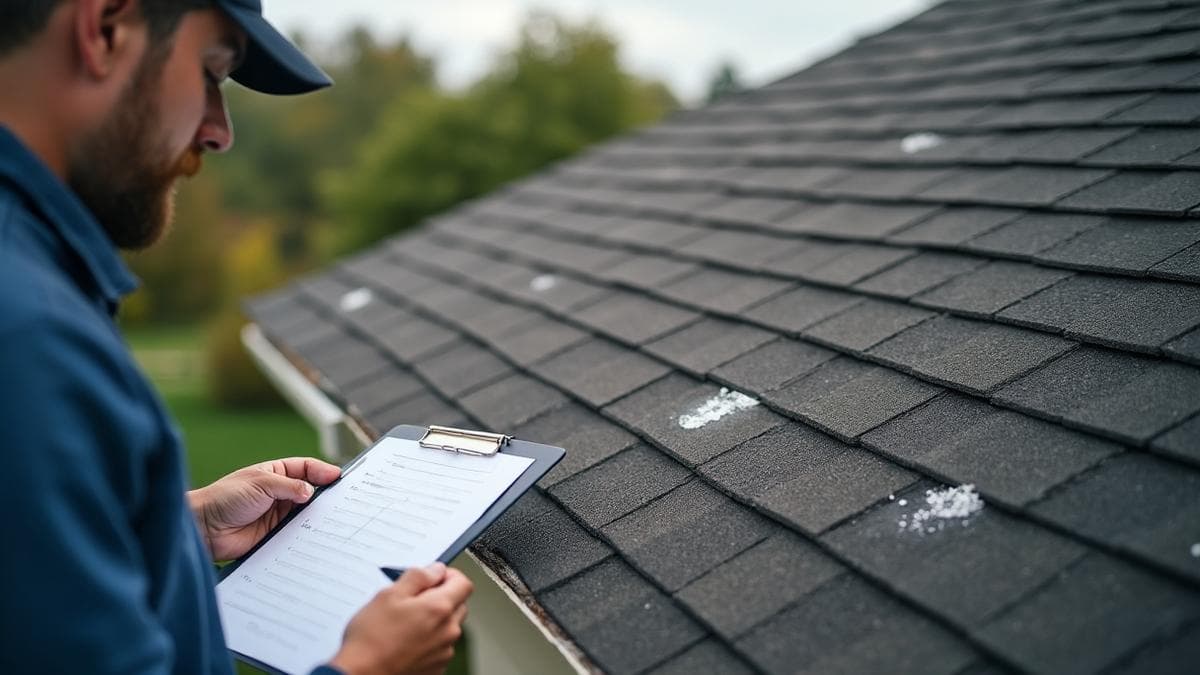
After a hail event in Thornton or Aurora, your adjuster assigns a depreciation rate based on your roof's age. A ten-year-old asphalt roof might be depreciated 40 to 50 percent. That gap between the ACV check and the full RCV amount is your recoverable depreciation, released only when you finish the hail damage repair and submit proof of payment.
How Does Actual Cash Value Work on a Roof Claim?
Actual Cash Value equals replacement cost minus depreciation. Your carrier calculates what a new roof costs, then subtracts wear based on age and condition. If your roof is twelve years old and a full replacement runs $15,000, the insurer might depreciate it by $6,000. You receive $9,000 (minus your deductible) as the initial ACV payment.
ACV policies are less common for roofs in Colorado, but some older policies or high-risk properties carry them. Read your declarations page. If it says "ACV" or "actual cash value" next to dwelling coverage, you will not recover depreciation. The first check is your only check. That makes roof repair more expensive out of pocket, because you cover the gap between the depreciated payout and the contractor's invoice.
Front Range hail season runs roughly May through September, and Thornton sees frequent storms. An ACV policy leaves you short if a summer hailstorm totals a roof that is already fifteen years old. Verify your coverage type before storm season starts.
How Does Replacement Cost Value Work on a Roof Claim?
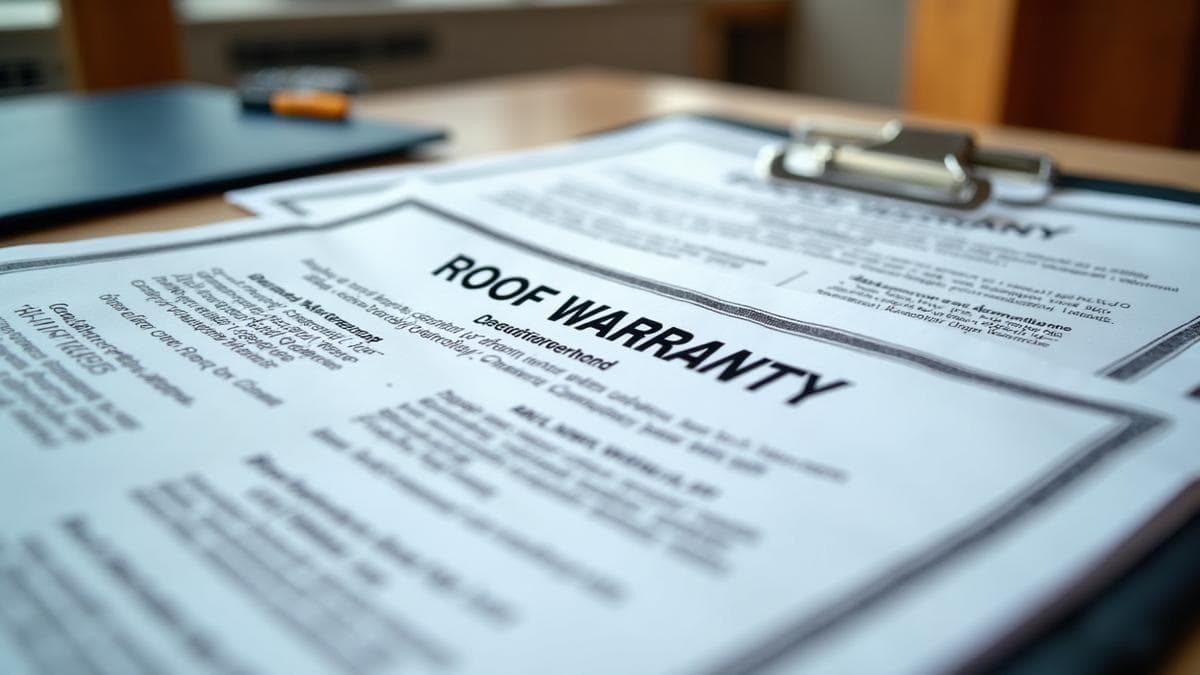
Replacement Cost Value pays the full amount to install a new roof of like kind and quality, with no depreciation deduction. The catch is timing. Insurers issue an initial ACV check, then hold the recoverable depreciation until you complete the work and provide a final invoice, photos, and a certificate of completion.
Here is the typical sequence:
- Adjuster inspects, writes an estimate for $18,000 replacement cost.
- Depreciation is $7,000 based on roof age.
- Carrier sends you $11,000 minus your deductible (the ACV portion).
- You hire a contractor and finish the residential reroofing project.
- You submit the paid invoice and completion certificate.
- Carrier releases the $7,000 recoverable depreciation check.
This two-check system protects the insurer from paying for work you never complete. It also means you need enough cash flow or contractor financing to bridge the gap. Many Colorado roofers will start work after the ACV payment and wait for the second check, but confirm that arrangement in writing.
What Happens If You Don't Complete the Repairs?
If you take the ACV check and skip the repairs, you keep the depreciated amount and forfeit the recoverable depreciation. The insurer has no obligation to release the second payment without proof you restored the roof. Some Thornton homeowners pocket the ACV money and patch the damage themselves, but that leaves the roof under-repaired and voids the chance to recover thousands in depreciation.
Colorado's freeze-thaw cycles and high-altitude UV punish a compromised roof. A temporary patch might hold through one winter, but ice dams and wind-driven snow will find every weak seam. Completing a full storm damage repair with a licensed contractor protects your home and secures the RCV payout.
Carriers require an invoice that matches or exceeds the depreciation amount. If your contractor's bid is lower than the estimate, the insurer only releases depreciation up to the actual cost. Shop carefully, but do not cut corners just to maximize the check.
How Does Depreciation Get Calculated in Colorado?
Most carriers use a straight-line formula: they divide the roof's expected lifespan into the current age. A twenty-five-year architectural shingle roof that is ten years old is 40 percent depreciated. The adjuster applies that percentage to the replacement cost line items (materials, labor, disposal).
Some policies cap depreciation or use a different schedule for Class 4 impact-resistant shingles, which can last longer and may qualify for a homeowners-insurance premium discount. If you upgraded to Class 4 shingles after the last claim, tell your adjuster. The depreciation rate should reflect the longer lifespan.
Colorado roofing permits are issued at the municipal level, and some cities require an inspection before the final release. Keep all permit documents. The insurer will ask for them when you request the recoverable depreciation.
Which Policy Type Should You Carry in Thornton?
RCV coverage costs more per month, but it is worth it in a hail-prone market. Thornton sits in the heart of the Front Range hail corridor. A single severe storm can total a roof, and the difference between an ACV payout and an RCV payout can be $5,000 to $10,000 on a typical home.
Review your policy annually. If you are still on an ACV roof endorsement, ask your agent for an RCV quote. The premium increase is usually modest compared to the out-of-pocket risk. Pair RCV coverage with a $1,000 to $2,500 deductible for a balance of affordability and protection.
Also confirm whether your policy includes gutter replacement and downspout damage. Hail hits gutters as hard as shingles, and many Thornton claims include both. An RCV policy should cover the full system.
How Best Roof and Gutter Helps With RCV Claims
We walk you through the two-check process from the free roof inspection to the final invoice. Our team documents every repair with photos and detailed line items that match your adjuster's estimate, so the recoverable depreciation release goes smoothly. We have worked with every major carrier in the Denver metro, and we know which documentation they require.
If the adjuster's estimate is low, we supplement it with our own measurements and material specs. Colorado's 300-plus sunny days and downslope wind events mean wear patterns here differ from the national averages insurers use. We make sure the claim reflects local conditions.
We also offer a Best Price Promise: we beat any written competitor bid by $100, or donate $100 to a charity of your choice. That guarantee helps you maximize the value of your RCV payout without sacrificing quality.
If you are not sure whether your Thornton home has ACV or RCV coverage, or if you just received an initial check and need help recovering the depreciation, call us at (303) 529-7095 for a free inspection. We will review your policy, explain the payout timeline, and get your roof back to full strength so you can collect every dollar you are owed.
How many times has hail hit your neighborhood?
We built a free lookup from the NOAA Storm Events Database: 965 verified hail reports across the Denver metro since 2016, searchable by city.
Check your city's hail history →