Yes, Class 4 impact-resistant shingles are worth it for most Denver homeowners. They cost 10 to 20 percent more than standard asphalt shingles upfront, but they qualify for a homeowners insurance premium discount (typically 10 to 30 percent off your roof coverage), survive hail strikes that would destroy a standard roof, and can pay for themselves in five to ten years through lower premiums and avoided hail damage repair bills.
What makes a shingle Class 4 impact-resistant?
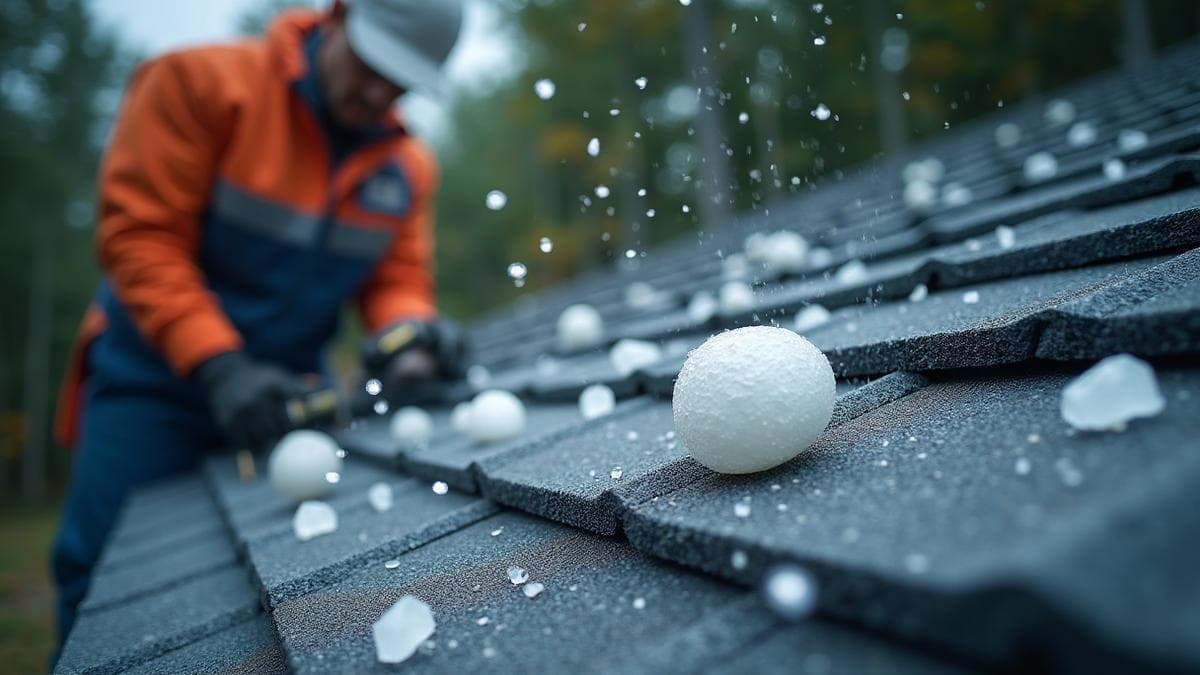
Class 4 is the highest impact rating awarded by Underwriters Laboratories (UL). A shingle earns it by surviving two strikes from a two-inch steel ball dropped from 20 feet without tearing or cracking. Standard shingles are Class 3 (1.75-inch ball) or lower. The difference matters in Denver, Aurora, and Lakewood, where hailstones routinely reach golf-ball size during Front Range hail season, which runs roughly May through September.
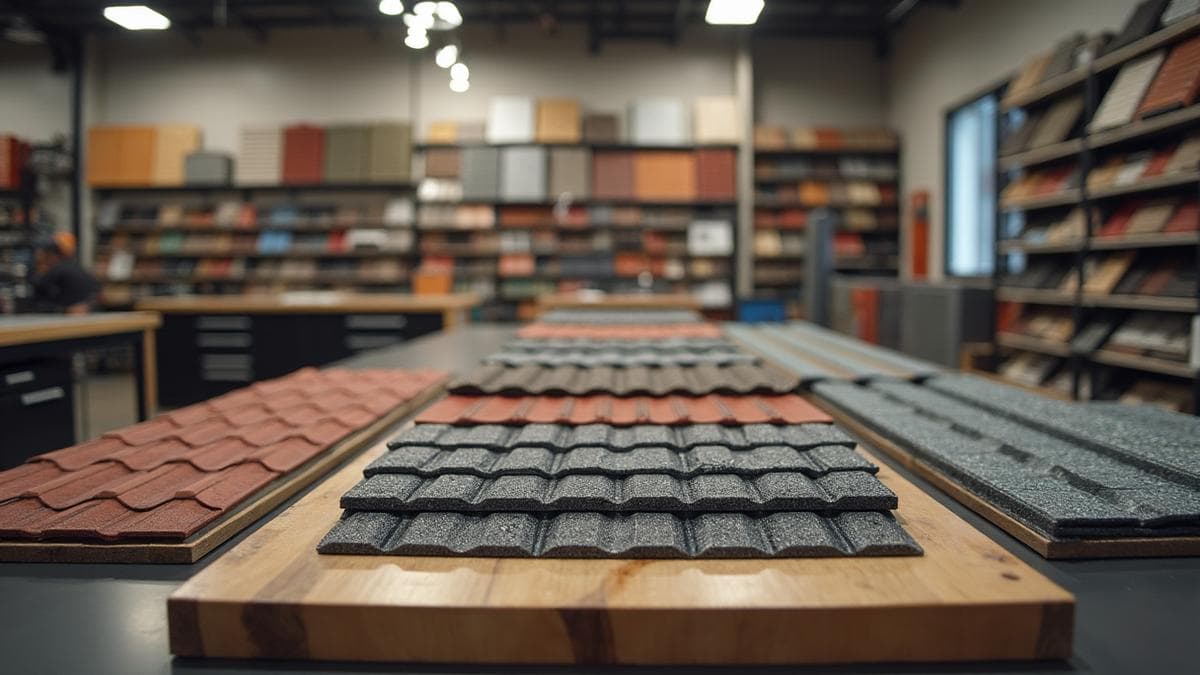
Manufacturers build Class 4 shingles with a rubberized asphalt core or a polymer-modified backing mat. GAF's Timberline HDZ, Owens Corning's Duration Storm, and CertainTeed's Impact Resistant all meet the standard. The extra material adds weight and flex. A hailstone that punches through a standard shingle bounces off a Class 4.
How much do Class 4 shingles cost in the Denver metro?
Expect to pay between $450 and $650 per square (100 square feet) installed for Class 4 shingles, compared to $350 to $500 for standard architectural shingles. On a typical 2,000-square-foot Denver ranch (20 squares of roofing), that's a premium of $2,000 to $3,000. Prices vary by roof complexity, pitch, and whether you're bundling seamless gutters or other work.
The upfront cost stings less when you factor in the insurance discount. Most Colorado carriers (State Farm, Allstate, Farmers) knock 10 to 30 percent off the dwelling-coverage portion of your premium if you install Class 4 shingles and submit proof. On a $300,000 home in Highlands Ranch, that can mean $150 to $300 saved per year. Over a 30-year shingle life, the discount alone can cover the upgrade cost.
Do Class 4 shingles actually prevent hail damage?
They don't make your roof invincible, but they survive storms that total standard roofs. A Class 4 shingle hit by a two-inch hailstone will show cosmetic bruising but won't crack or expose the underlayment. A standard Class 3 shingle often splits, letting water into the deck. That's the difference between a roof inspection that finds minor wear and a full reroofing claim.
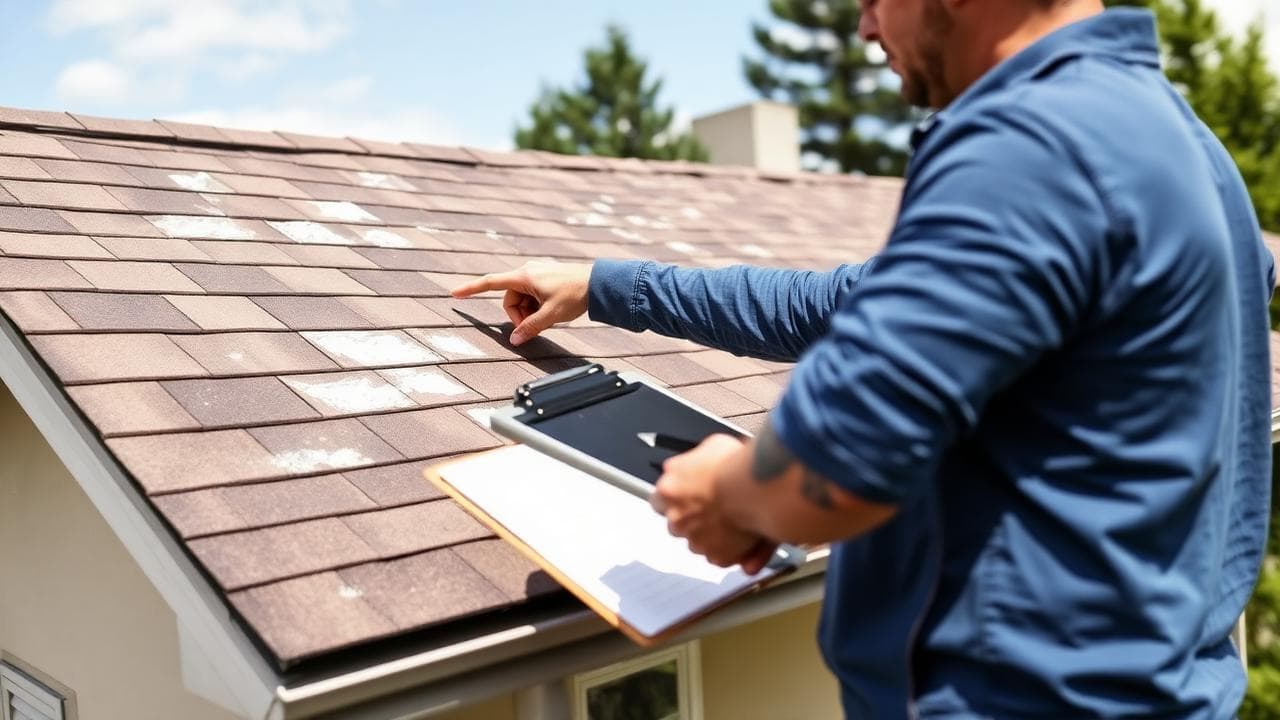
Real-world performance backs up the lab tests. After the May 2017 hailstorm that hammered Thornton and Westminster, we saw dozens of standard roofs with cracked shingles and granule loss. Homes with Class 4 shingles in the same neighborhoods had dents but no penetrations. The difference showed up in insurance-claim outcomes: Class 4 roofs got patched or left alone; standard roofs got replaced.
Will my insurance company actually give me a discount?
Yes, but you have to ask and prove it. Colorado law doesn't require carriers to offer the discount, but most do to reduce their hail-claim exposure. After your reroofing project, request a copy of the manufacturer's certification letter (your roofer should provide this) and the building permit showing Class 4 shingles. Send both to your agent. The discount applies to the dwelling-coverage portion of your premium, not liability or contents.
Some carriers apply the discount automatically if they see a recent permit for impact-resistant shingles. Others make you file paperwork annually. Check your policy declaration page six weeks after you submit the documents. If the discount isn't there, call. We've seen homeowners in Centennial and Parker leave $200 a year on the table because they assumed the discount kicked in automatically.
Do Class 4 shingles hold up to Colorado's other weather extremes?
They handle freeze-thaw cycles, high-altitude UV, and Front Range wind as well as or better than standard shingles. Denver gets 300-plus sunny days a year, and UV breaks down asphalt over time. Class 4 shingles use the same UV-blocking granules as premium standard shingles, so sun aging is identical. The rubberized core flexes better in winter cold, which helps during ice-dam freeze-thaw stress on north-facing slopes.
Wind resistance depends on the specific product and installation, not the impact rating. Most Class 4 shingles carry a 130-mph wind rating when installed to manufacturer specs with six nails per shingle and proper starter strip. That's enough for the 80 to 100 mph gusts we see during Chinook events and spring windstorms. Proper installation matters more than the shingle type. A Class 4 shingle hand-nailed crooked will blow off faster than a standard shingle done right.
When does a Class 4 upgrade not make sense?
If you're selling your house in the next two years, the payback timeline is too long. The insurance discount takes five to ten years to recover the upfront premium, and Denver buyers don't typically pay extra for impact-resistant shingles the way they do for a new roof in general. If your roof is already 15 years old and you're planning to replace it in three to five years anyway, wait and install Class 4 shingles then.
Class 4 shingles also don't help if you're in a low-hail zone. Homes on the west side of Golden or in the foothills see less hail than the I-25 corridor. Check your address on a Colorado hail-frequency map before you pay the premium. That said, most of the Denver metro (including Littleton, Englewood, and Commerce City) sits in a high-frequency belt where the upgrade makes financial sense.
How do I know if a roofer is installing real Class 4 shingles?
Ask for the manufacturer's product data sheet before the job starts. Every Class 4 shingle has a UL 2218 Class 4 certification listed in its technical specs. Check the shingle bundles when they arrive. The wrapper will say "Impact Resistant" or show a UL Class 4 logo. If the crew is vague about the product name or can't show you the wrapper, stop the job.
After installation, get a signed certificate of installation from the manufacturer (GAF, Owens Corning, or CertainTeed will issue one through the contractor). This document proves to your insurance company that you installed genuine Class 4 shingles. Keep a copy with your home records. If you're working with Best Roof and Gutter, we provide the certification letter and help you file it with your carrier as part of every reroofing project.
If you're considering Class 4 shingles for your Denver-area home, we offer a free roof inspection to assess your current roof condition and walk you through material options with real cost numbers. Call us at (303) 529-7095 to schedule. We beat any written competitor bid by $100, or donate $100 to a charity of your choice.
How many times has hail hit your neighborhood?
We built a free lookup from the NOAA Storm Events Database: 965 verified hail reports across the Denver metro since 2016, searchable by city.
Check your city's hail history →