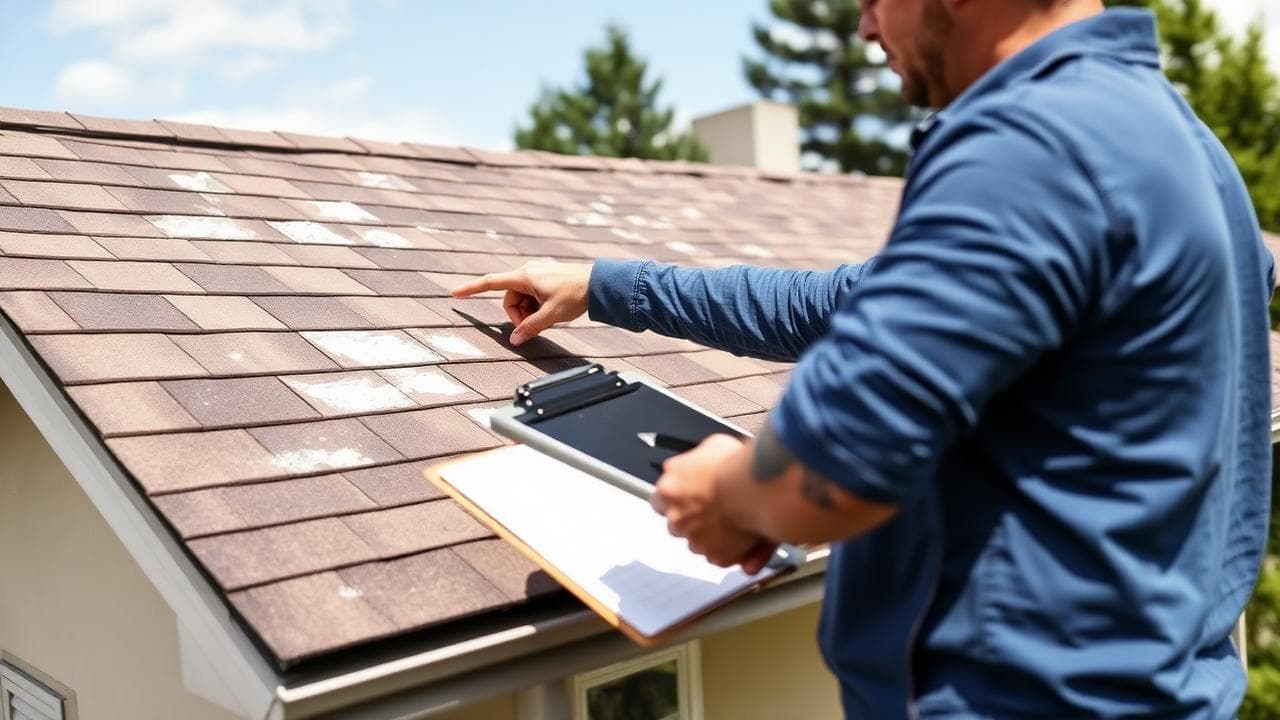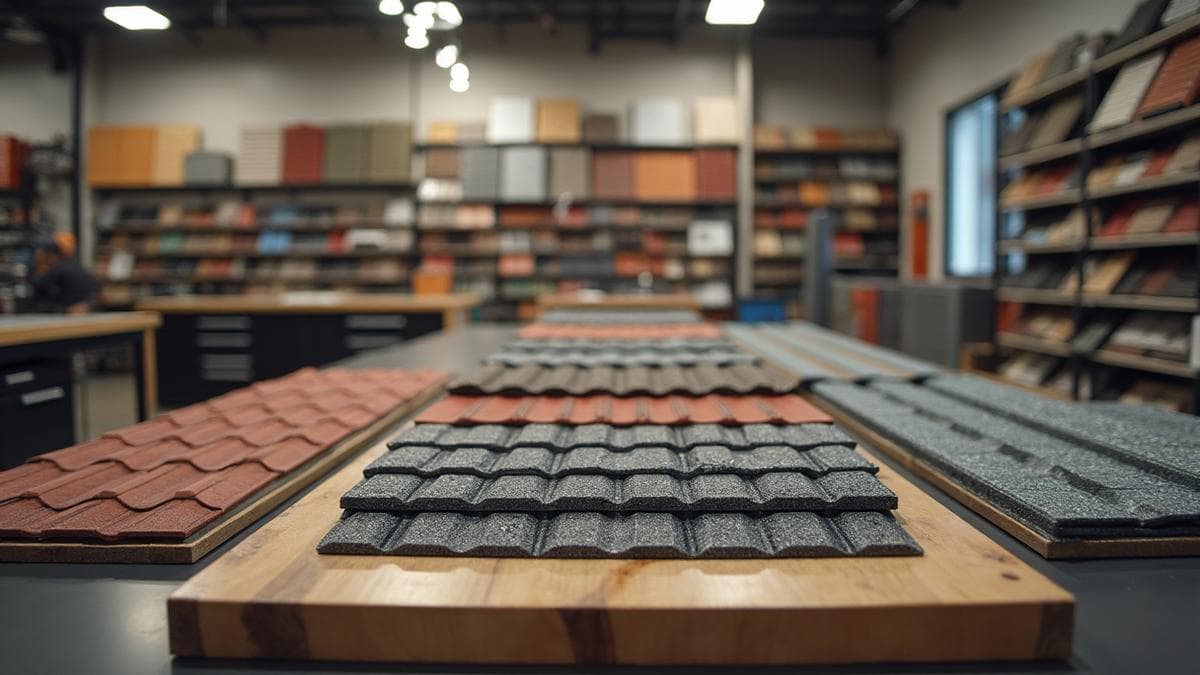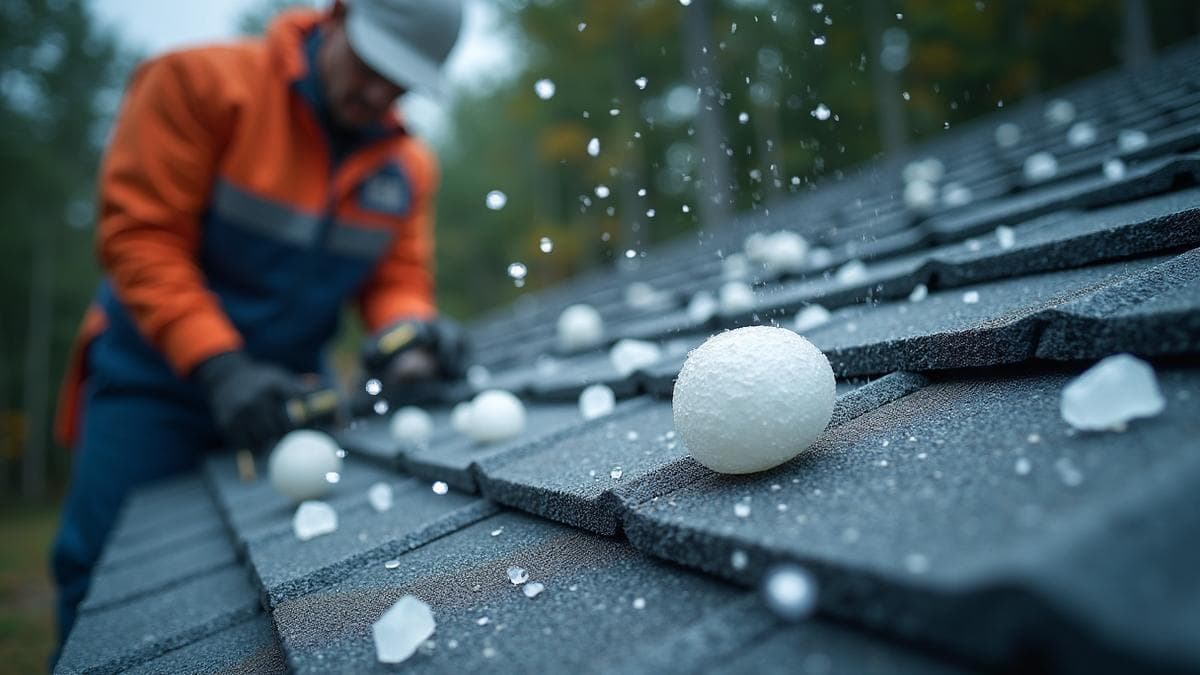
Impact-resistant asphalt shingles, metal roofing, and concrete tile are the three materials that handle Lone Tree's climate best. Each resists hail differently, weathers high-altitude UV at different rates, and costs a different amount upfront. Your choice depends on your budget, how long you plan to stay, and whether you want an insurance discount.
Lone Tree sits in the Front Range hail belt. Hail season runs roughly May through September, and a single storm can total a roof. Freeze-thaw cycles stress flashing and valleys all winter. High-altitude UV and 300-plus sunny days age organic materials faster than they would at sea level. The right material turns these conditions into a non-issue.
How do Class 4 impact-resistant asphalt shingles perform in Lone Tree?
Class 4 shingles are the most popular residential reroofing choice in Lone Tree because they balance cost and hail protection. A two-inch steel ball dropped from twelve feet won't crack them during UL 2218 testing. That rating qualifies most homeowners for a premium discount with their insurance carrier, often ten to twenty percent.
Expect to pay between nine thousand and fifteen thousand dollars for a typical Lone Tree home, depending on pitch and square footage. The shingles themselves carry a limited lifetime warranty from the manufacturer. Best Roof and Gutter backs installation with a workmanship warranty. Lifespan runs twenty to thirty years in Colorado's UV environment, shorter than the Midwest but predictable.
Class 4 shingles handle freeze-thaw well because the rubberized asphalt stays flexible. They shed snow and ice without cracking. Wind resistance is good up to 110 or 130 mph, depending on the product line. For most Lone Tree neighborhoods, Class 4 asphalt hits the sweet spot: proven hail defense, reasonable cost, and an insurance break that pays for itself over five to seven years.
What makes metal roofing a strong choice for Front Range weather?
Metal roofs laugh at hail. A standing-seam steel or aluminum roof dents under very large hail but almost never punctures. Dents are cosmetic. The roof stays watertight. That durability matters when a July storm drops golf balls on your house.
Metal also reflects UV instead of absorbing it, so surface temps stay lower and the material doesn't degrade the way asphalt does. Expect forty to sixty years of service life. Snow slides off a metal roof faster than off shingles, which reduces ice-dam risk in Parker and Lone Tree subdivisions with complex rooflines.
Cost runs higher: fifteen thousand to thirty thousand dollars for a standing-seam install on a typical home. Exposed-fastener metal is cheaper but requires more maintenance because fasteners back out over time. A roof inspection every few years catches those issues early. Metal is loud during hail and rain unless you add insulation under the decking. Some HOAs restrict metal because of aesthetics, so check covenants before you commit.
We beat any written competitor bid by one hundred dollars, or donate one hundred dollars to a charity of your choice. That promise applies to metal and every other material we install.
Why do concrete and clay tile roofs last so long in Denver's climate?
Concrete tile and clay tile are the longest-lived options in Colorado. Concrete tile resists hail better than clay because it's denser and less brittle. Both materials ignore UV. Both handle freeze-thaw without issue because they don't absorb much water. A properly installed tile roof in Highlands Ranch or Lone Tree can last fifty years or more.
Tile is heavy. Your home needs adequate rafter and truss support, which older homes sometimes lack. A structural engineer can evaluate load capacity before you order materials. Cost runs twenty thousand to forty thousand dollars for a typical install, depending on tile profile and underlayment. That's a big upfront number, but amortized over fifty years it's competitive with asphalt.
Tile roofs need professional hail damage repair because individual tiles crack under impact and must be replaced. Walking a tile roof without training breaks tiles. Hire a crew that knows how to distribute weight and stage repairs correctly. Tile also requires more flashing detail at valleys and penetrations, so installation quality matters more than it does with asphalt.
How do synthetic and composite materials compare for Colorado homes?
Synthetic slate and composite shingles mimic natural materials at lower weight and cost. They resist UV well and most carry Class 4 impact ratings. Expect costs between twelve thousand and twenty-five thousand dollars, depending on the product. Lifespan runs thirty to fifty years.
The advantage is aesthetics without the structural load of real slate or tile. The downside is a shorter track record. Some early synthetics had issues with color fade and brittleness in high UV, though newer formulations perform better. Check the manufacturer warranty carefully. Look for products with at least ten years of real-world Colorado installs behind them.
Composite materials handle wind damage as well as premium asphalt. They shed snow and ice adequately. They're a good middle option if you want the look of slate or shake but don't want to reinforce your roof deck or pay tile prices.
What about flat or low-slope roofing materials in Lone Tree?
Flat and low-slope roofs in Lone Tree use TPO, EPDM, or modified bitumen. TPO is white or light gray, reflects heat, and resists UV well. EPDM is black rubber, absorbs more heat but costs less. Both handle hail reasonably well because they're flexible. Punctures are rare but possible under very large hail.
Flat roofs need more maintenance than sloped roofs because water doesn't run off as quickly. Inspect seams and flashing twice a year. Clear drains and scuppers after every storm. A free roof inspection from Best Roof and Gutter catches small issues before they become leaks.
Cost for TPO or EPDM runs eight to fifteen dollars per square foot installed, depending on insulation and deck condition. Lifespan is twenty to thirty years. If your Lone Tree home has a flat garage roof or a contemporary design with large flat sections, these membranes are your best bet.
Which material should you choose for your Lone Tree home?
Start with your budget and how long you plan to own the home. If you're staying ten years or less, Class 4 asphalt gives you hail protection and an insurance discount without a huge upfront cost. If you're staying twenty-plus years, metal or tile pays off because you won't re-roof again.
Check your HOA rules. Some Lone Tree neighborhoods restrict metal and require tile or dimensional shingles. Verify your roof deck can handle tile weight if you're considering concrete or clay. Get a structural assessment before you order materials.
Consider your insurance situation. Class 4 shingles and some metal roofs qualify for premium discounts. Ask your carrier for the exact percentage and do the math. A ten percent discount on a two-thousand-dollar annual premium saves two hundred dollars a year, which adds up.
Best Roof and Gutter installs all of these materials in Lone Tree, Aurora, and across the Denver metro. We'll walk your roof, explain what works for your home, and give you a written estimate with no pressure. Call (303) 529-7095 Monday through Friday, 7 AM to 7 PM, or Saturday, 8 AM to 5 PM. We'll schedule a free inspection and help you pick the material that makes sense for your house and your plans.
How many times has hail hit your neighborhood?
We built a free lookup from the NOAA Storm Events Database: 965 verified hail reports across the Denver metro since 2016, searchable by city.
Check your city's hail history →