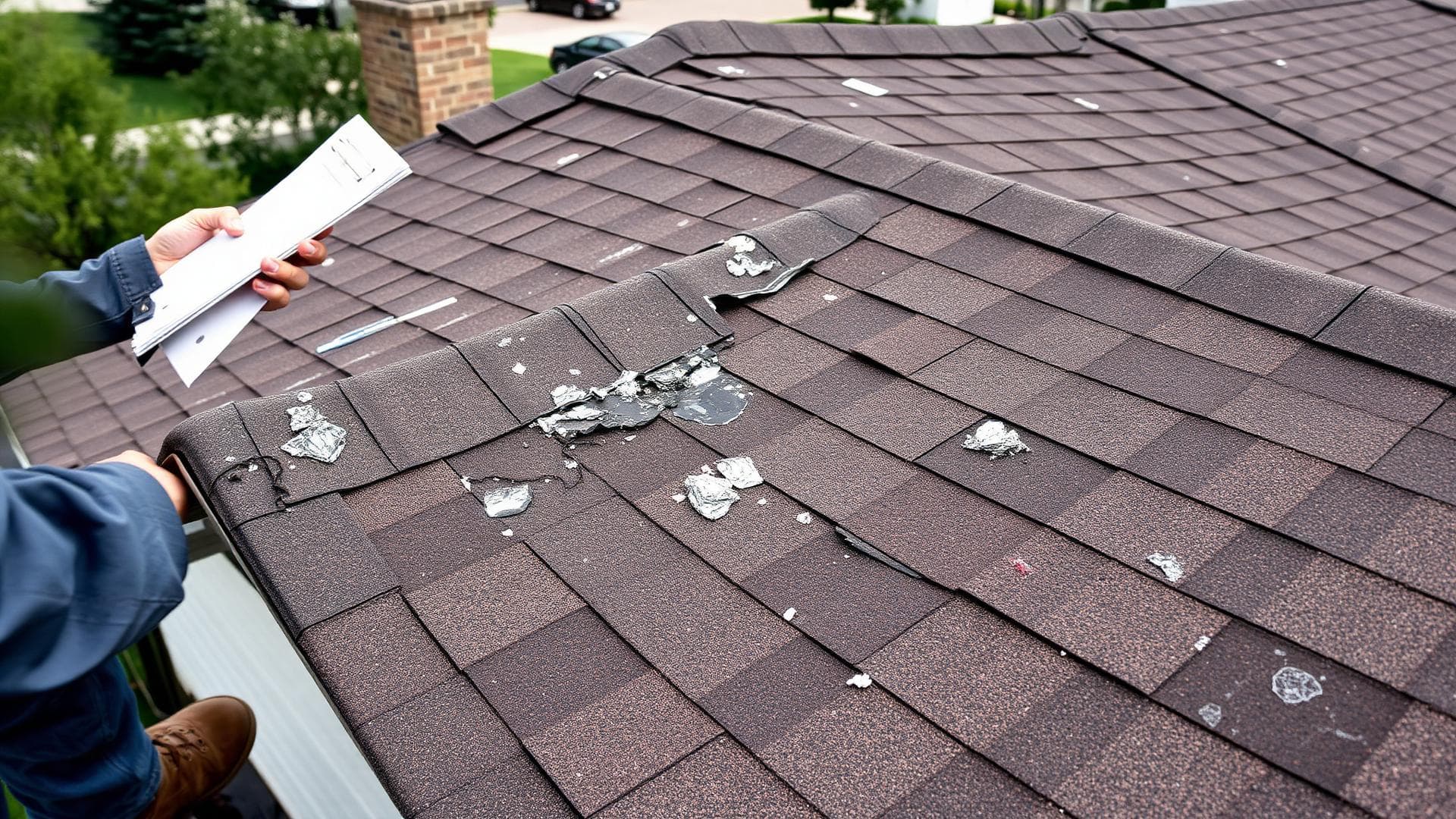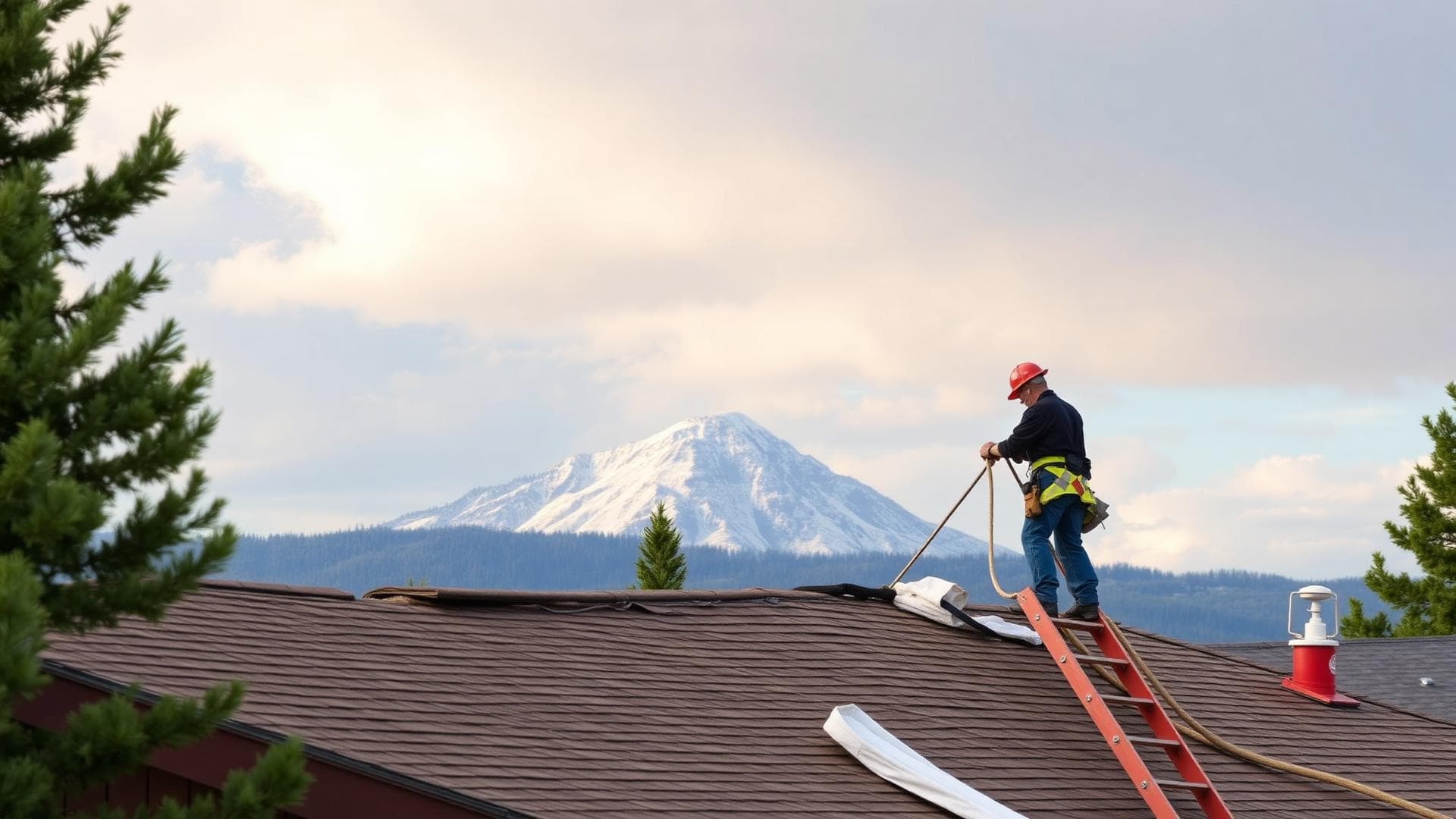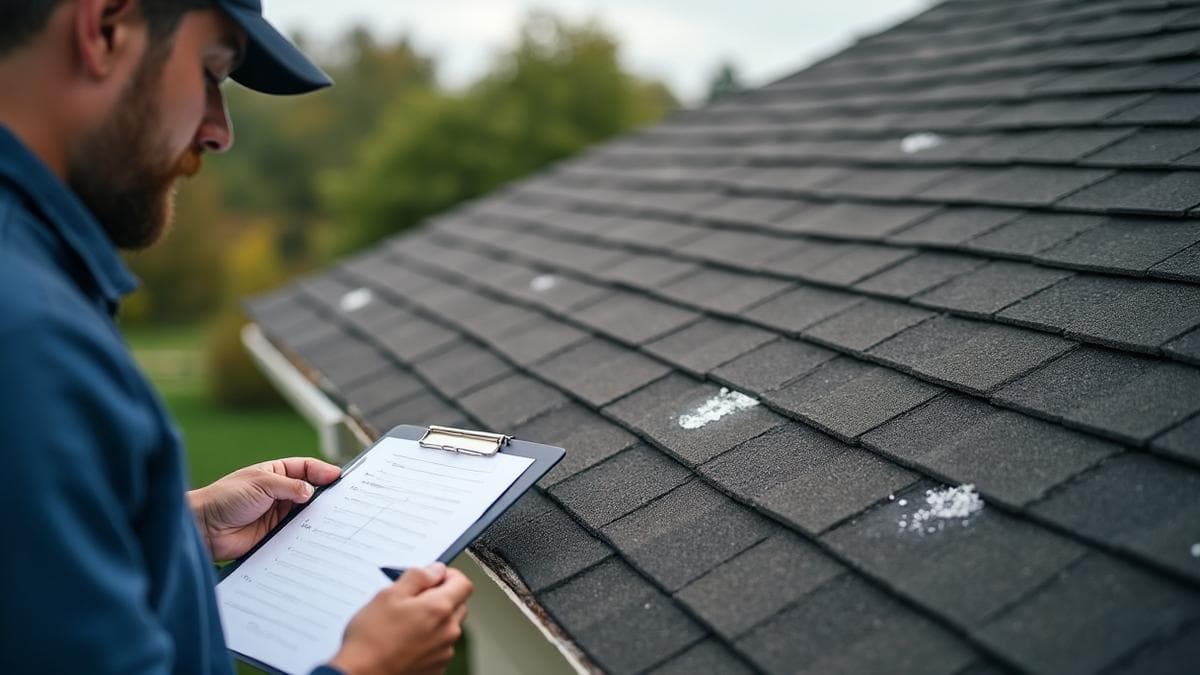
Golden sits right in the Front Range hail belt. According to the NOAA Storm Events Database, there were 965 hail reports within 35 miles of downtown Denver between 2016 and 2026, and Golden caught its share. The foothills funnel storms east, and Golden's location puts it in the path of May through September hail events that crack shingles, dent gutters, and trigger insurance claims across Jefferson County.
If you own a home in Golden, you're not imagining it. Hail hits this area often enough that every homeowner should know what the data shows and how to protect their roof.
What Does the NOAA Storm Events Database Tell Us About Golden Hail?
The NOAA Storm Events Database is the official federal record of severe weather. It logs every hail report from trained spotters, law enforcement, and the National Weather Service. Within 35 miles of downtown Denver, NOAA recorded 965 hail reports from 2016 through 2026. That's an average of 96 reports per year across the metro area.
Golden doesn't get every one of those storms, but it sees plenty. The foothills create lift that turns afternoon thunderstorms into hail producers. Storms roll off the mountains, intensify over the western suburbs, and drop ice on neighborhoods from Golden Gate Canyon Road down to West Colfax. The pattern repeats every spring and summer.
Of those 965 reports, 777 involved hail one inch or larger. That's the size that starts breaking shingle seals and cracking ridge caps. Another 145 reports logged stones golf-ball size or bigger, the kind that punch through three-tab shingles and leave dents you can see from the street. The largest hail during this period measured 3.0 inches and fell on June 18 and 19, 2018, during a multi-day outbreak that hammered the west metro.
You can explore the full dataset yourself at bestroofandgutter.com/denver-hail-history.
Why Does Golden Get Hit So Often?
Golden sits at the base of the foothills where warm plains air collides with cooler mountain air. That collision zone is a hail factory. Afternoon heating pushes moisture west, the terrain forces it up, and thunderstorms build fast. By late afternoon, those storms march east and drop hail on Golden, Lakewood, and Arvada.
The peak months are May, June, and July. That's when the jet stream sits over Colorado and upper-level winds shear the tops off thunderstorms, creating the rotation and updraft strength that suspends hailstones long enough to grow large. A storm that looks small on radar can still drop golf balls if the updraft is strong enough.
Golden also gets hit by storms that form over the Divide and track northeast. These storms often intensify as they move downslope, picking up speed and moisture. By the time they reach Golden, they're mature supercells capable of producing large hail and damaging wind.
If your roof is older than five years and you haven't had it inspected after a hail event, you might already have damage you can't see from the ground. Hail damage repair often starts with hidden granule loss and cracked seals that don't leak until months later.
How Do You Know If Your Golden Roof Was Hit?
Most homeowners don't climb up to check. They wait for a leak, and by then the damage is worse. Here's what to look for from the ground:
- Dented or cracked aluminum gutter guards
- Dings on metal roof vents, chimney caps, or satellite dishes
- Pockmarks on painted wood siding or window trim
- Granules washing down your downspouts after a storm
- Neighbors getting new roofs after the same storm
If you see any of those signs, schedule a roof inspection. A trained eye can spot fractured shingle tabs, bruised granule mats, and compromised seals that won't show up in a quick walk-around.
Insurance adjusters sometimes miss damage on north-facing slopes or in valleys where hail pooled. A second opinion from a local roofer who knows Golden's storm patterns can make the difference between a denied claim and a full roof replacement.
What Should Golden Homeowners Do After a Hail Report?
First, don't panic. Not every hail report means your roof is destroyed. But you should act within a few weeks. Colorado homeowners insurance policies require prompt reporting, and waiting too long can complicate your claim.
Start with a free inspection. Best Roof and Gutter offers no-obligation inspections for Golden homeowners. We'll document any damage, photograph it, and give you a written assessment you can share with your insurance company. If there's no damage, we'll tell you that too.
If we do find damage, we'll walk you through the insurance claim process. We've worked hundreds of claims in Jefferson County, and we know what adjusters look for. We'll meet your adjuster on-site, point out damage they might miss, and make sure your estimate covers everything.
Some Golden roofs need full replacement. Others just need storm damage repair on a few slopes. We'll tell you which one applies to your home. We don't upsell. If a repair works, we'll say so. If you need a new roof, we'll explain why and give you options that fit your budget and your home's style.
Does Golden Require a Permit for Hail Damage Roof Replacement?
Yes. The City of Golden requires a building permit for any roof replacement, including insurance-funded hail damage jobs. The permit process is straightforward, but it adds a week or two to the timeline. We handle the permit application, the inspection scheduling, and the final sign-off. You don't have to visit City Hall.
Golden also enforces the International Residential Code for roof replacements. That means proper underlayment, ice-and-water shield in valleys, and code-compliant flashing. Some out-of-town storm chasers skip those steps to save money. We don't. Every job gets inspected, and we don't leave until it passes.
If you're replacing your roof after hail damage, consider upgrading to Class 4 impact-resistant shingles. They cost a bit more up front, but many Colorado insurers offer a premium discount that pays back the difference in three to five years. Class 4 shingles also hold up better in the next hail event, which in Golden is a matter of when, not if.
What's the Real Cost of Hail Damage Repair in Golden?
It depends on the damage. A partial repair on one or two slopes might run $2,500 to $5,000. A full roof replacement on a typical Golden ranch home with 2,000 square feet of roof area usually falls between $12,000 and $18,000, depending on the shingle grade and the complexity of the roof.
If your insurance covers the damage, you'll pay your deductible and any upgrades you choose. If you're paying out of pocket, we'll work with you to prioritize the most critical repairs first. We also honor our Best Price Promise: we beat any written competitor bid by $100, or donate $100 to a charity of your choice.
Golden's high-altitude UV and 300-plus sunny days per year age shingles faster than the same shingles would age in, say, St. Louis. A 30-year shingle in Golden might last 22 years. Hail accelerates that aging. If your roof is already 15 years old and takes a hail hit, replacement often makes more financial sense than patching.
Don't forget the gutters. Hail dents aluminum seamless gutters, and dented gutters don't drain right. If your insurance is replacing the roof, ask the adjuster to include the gutters in the estimate. We install five-inch and six-inch K-style gutters, and we'll match the color to your new shingles.
Schedule Your Free Golden Hail Damage Inspection
Golden homeowners deal with hail every year. The NOAA data proves it. If you think your roof might have damage, or if it's been more than a year since your last inspection, call us at (303) 529-7095. We'll come out, check your roof and gutters, and give you a straight answer. No pressure, no upsell, just honest advice from a local crew that knows Golden's weather.
How many times has hail hit your neighborhood?
We built a free lookup from the NOAA Storm Events Database: 965 verified hail reports across the Denver metro since 2016, searchable by city.
Check your city's hail history →