Front Range storms hit Littleton roofs with two distinct threats: hail that bruises and cracks shingles, and wind that lifts and tears them off entirely. Hail damage shows up as dents, granule loss, and cracked tabs, while wind damage appears as missing shingles, lifted edges, and torn flashing. Both qualify for insurance claims, but you need to document each type differently and understand what your adjuster is looking for.
Colorado's storm season runs roughly May through September, and a single severe thunderstorm can deliver both hazards in the same event. Knowing the difference helps you describe damage accurately when you file a claim and prevents you from missing secondary problems that develop weeks later.
How Does Hail Damage a Littleton Roof?
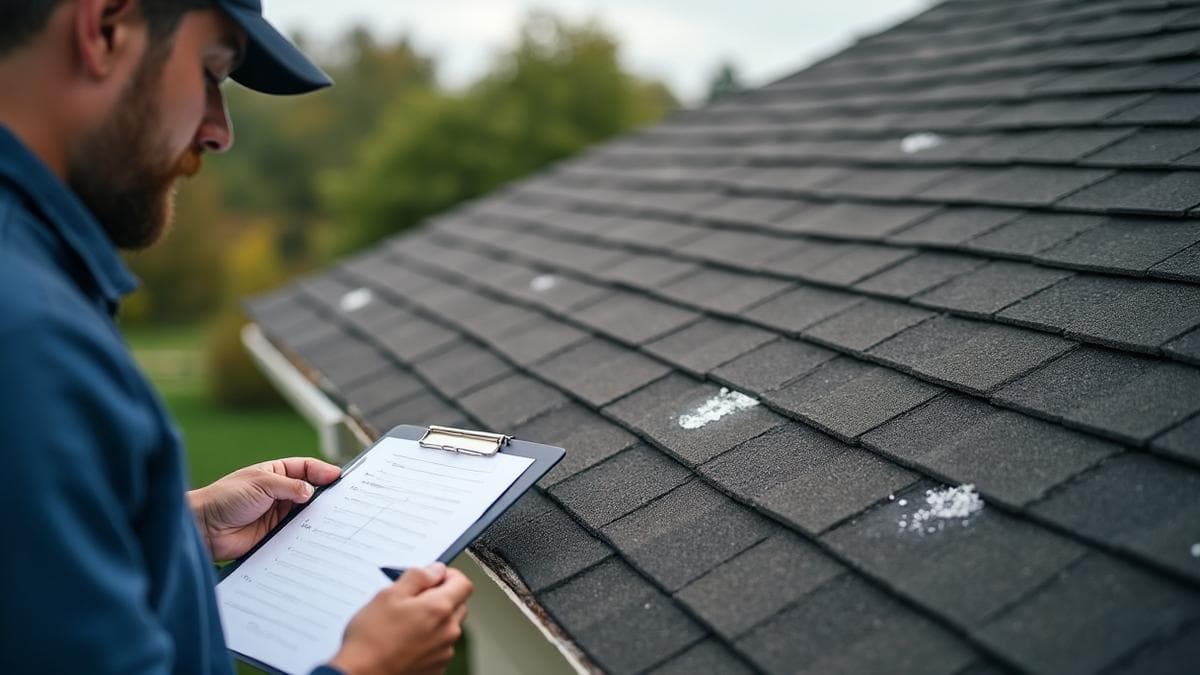
Hail strikes shingles from above at terminal velocity. Stones larger than one inch leave visible dents in asphalt shingles, knock granules into gutters, and crack the mat underneath. You'll see circular bruises on the shingle surface, often with a dark center where the impact compressed the asphalt.
Class 4 impact-resistant shingles can qualify for a homeowners-insurance premium discount in Colorado and hold up better against hail, but even these shingles fail under golf-ball-sized stones or larger. The damage isn't always obvious from the ground. Inspectors check for:
- Granule loss in a random pattern across the roof
- Dents on metal vents, flashing, and gutter guards
- Cracked or split shingle tabs
- Exposed fiberglass mat where granules are completely gone
- Bruising on the back side of shingles (visible only when lifted)
Hail damage compounds over time. A bruised shingle loses its protective granule layer, so high-altitude UV and 300-plus sunny days age it faster. What starts as cosmetic denting becomes a leak risk within two to three years. Our hail damage repair team documents every impact point because insurers pay only for damage that meets their threshold.
What Does Wind Damage Look Like on a Roof?
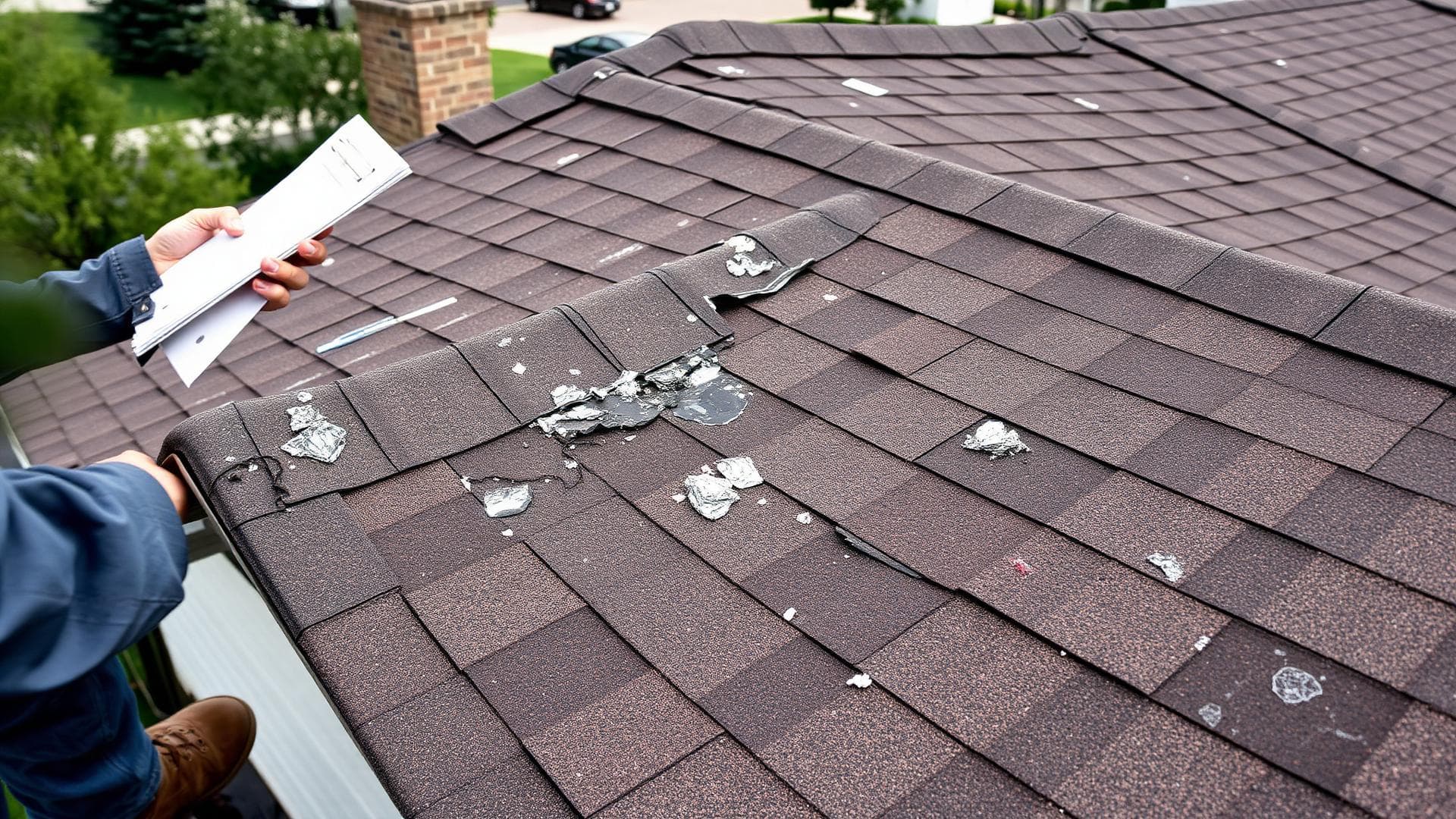
Wind attacks roofs horizontally. Front Range wind events and downslope Chinook winds create uplift pressure that peels shingles starting at edges, ridges, and corners. You'll find missing shingles in your yard, lifted tabs that never resealed, and torn flashing around chimneys and skylights.
Wind damage is easier to spot than hail damage because it's structural and visible. Common signs include:
- Shingles in the lawn or stuck in gutters
- Exposed underlayment or roof deck
- Lifted shingle edges that flap in the breeze
- Creased or folded shingles
- Torn drip edge or step flashing
- Damaged soffit or fascia boards
Wind doesn't need to rip shingles completely off to cause problems. Lifted tabs break the seal and let water wick underneath during the next rain. Freeze-thaw cycles and ice dams stress Denver roofs in winter, and a wind-lifted shingle becomes a leak point when snow melts and refreezes at the eave.
Insurance adjusters measure wind damage differently than hail damage. They look for a clear wind event in weather records and check whether the damage pattern matches prevailing wind direction. Our wind damage repair process includes documenting the storm date and photographing the damage pattern before we touch anything.
Can One Storm Cause Both Types of Damage?
Yes, and it happens often in Littleton and Aurora. A severe thunderstorm drops hail during the updraft phase, then shifts to straight-line winds as the cell collapses. Your roof takes impacts from above, then horizontal shear force minutes later.
Combined damage is harder to assess because the two types overlap. A shingle might have hail bruises on the surface and wind creases along the edge. An adjuster who sees only the wind damage might approve a partial repair when you actually need a full replacement.
We document both damage types separately during inspections. Hail damage qualifies under your policy's wind/hail peril. Wind damage falls under the same coverage but requires different proof. When we find both, we photograph each type, mark them on a roof diagram, and include the National Weather Service storm report in your claim packet.
The hail damage guide on our site walks through the claim process for combined events. The key is to call for an inspection within a few days of the storm, before rain washes away granules or wind redistributes debris that proves the event happened.
How Do I Know Which Type of Damage I Have?
Start with a ground-level check after any severe storm. Walk your property and look for these clues:
Hail indicators: Dents in metal gutters, mailboxes, or AC units. Shredded leaves or stripped bark on trees. Granules piled in downspout splash blocks. Pockmarks on vinyl siding or window screens.
Wind indicators: Shingles in the yard or street. Lifted or missing ridge caps. Damaged fascia boards. Neighbors with visible roof damage on the same side of the street.
If you see either set of clues, schedule a free roof inspection before you call your insurance. A professional inspection gives you the full picture and prevents you from filing a claim for minor damage that costs less than your deductible.
Colorado roofing permits are issued at the municipal level, and Littleton requires permits for replacements but not always for repairs. We handle the permit process and make sure your claim documentation matches what the city inspector will see when we pull the permit.
What Should I Do Right After a Storm?
Take photos of any visible damage from the ground. Note the date and time. Check your attic for water stains or daylight showing through the deck. If you see active leaking, call emergency roof repair at (303) 529-7095 to get a tarp on before the next rain.
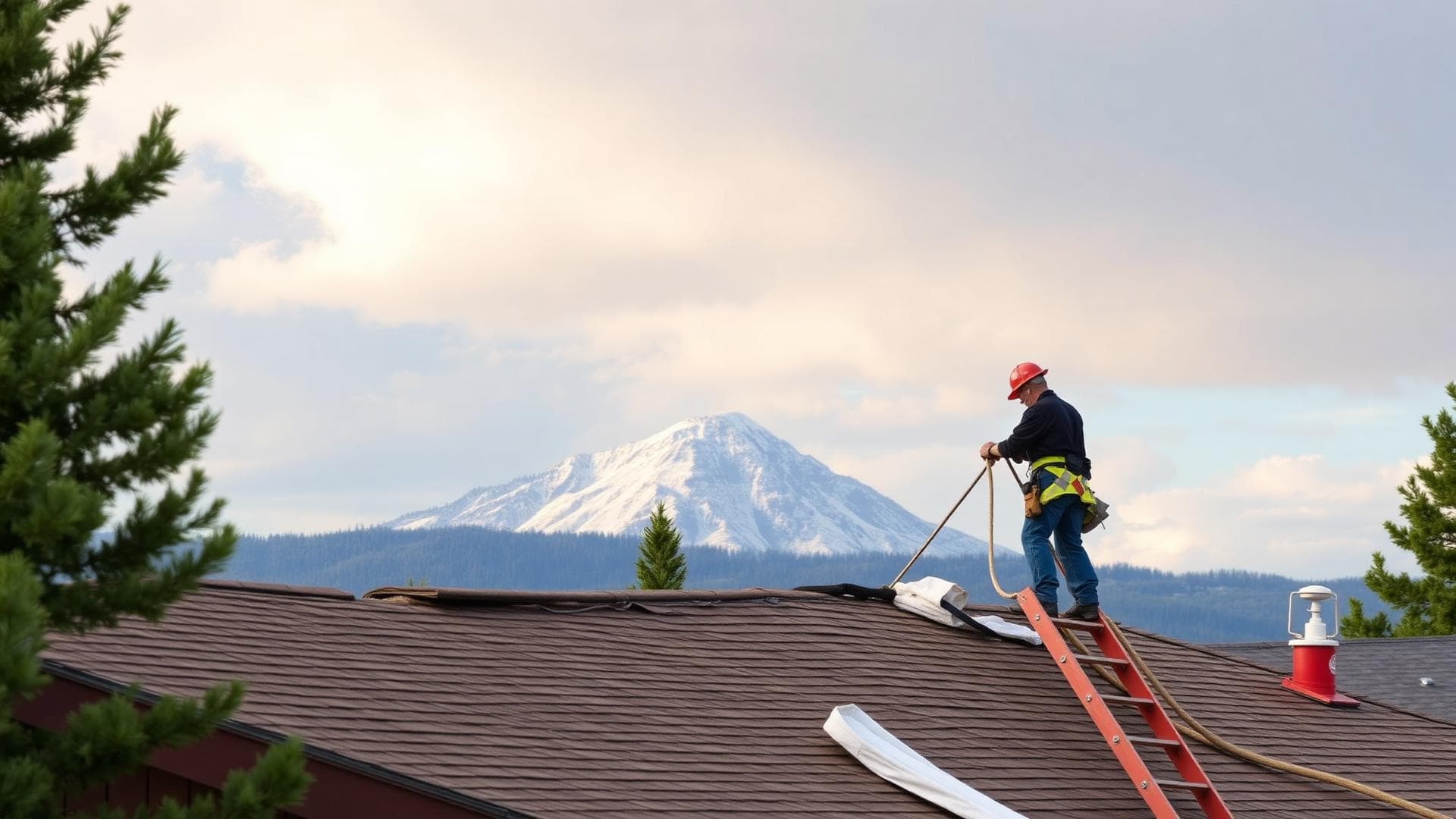
Don't climb on the roof yourself. Hail-damaged shingles are slippery, and wind-lifted tabs can give way underfoot. Let a licensed roofer with fall protection do the assessment.
Document everything before it disappears. Hail melts. Wind redistributes debris. Granules wash into storm drains. The evidence you need for a successful claim has a short shelf life, especially in spring when afternoon thunderstorms roll through every few days.
We offer free inspections within 48 hours of any reported storm in Littleton, Centennial, and Highlands Ranch. Our team photographs damage, measures impact sizes, checks for secondary problems like damaged flashing or broken seals, and gives you a written report you can send to your adjuster.
Does Insurance Cover Both Wind and Hail Damage?
Most Colorado homeowners policies cover both under the wind/hail peril, subject to your deductible. The difference is in how adjusters evaluate each type.
Hail claims require proof of impact. Adjusters look for a certain number of strikes per 10x10 square, measurable dents, and a documented hail event in weather records. They'll check your gutters, vents, and satellite dish for corroborating dents.
Wind claims require proof of wind speed and a damage pattern consistent with that speed. Adjusters reference weather station data and look for directional tearing or uplift. If only one or two shingles are missing, they might argue it was pre-existing wear rather than storm damage.
When both types are present, the claim is stronger because each type of damage corroborates the other. Hail dents prove a severe storm occurred. Wind damage proves the storm had enough energy to cause structural harm. Together, they build a case for full replacement rather than spot repair.
Our roof insurance claims service includes meeting your adjuster on-site, walking them through both damage types, and providing the documentation they need to approve your claim. We beat any written competitor bid by $100, or donate $100 to a charity of your choice, so you know you're getting a fair price once the claim is approved.
Ready to Get Your Littleton Roof Inspected?
Front Range storms don't wait, and neither should you. Whether you have hail dents, missing shingles, or both, Best Roof and Gutter offers free inspections and handles the insurance process from documentation to final install. Call (303) 529-7095 or visit bestroofandgutter.com to schedule your inspection. We're open Mon-Fri 7AM-7PM and Sat 8AM-5PM, and we'll get someone out to your Littleton home within 48 hours.
How many times has hail hit your neighborhood?
We built a free lookup from the NOAA Storm Events Database: 965 verified hail reports across the Denver metro since 2016, searchable by city.
Check your city's hail history →