Greenwood Village homeowners need a roof maintenance schedule that matches Colorado's extreme weather swings. This calendar breaks down what to check and when, so you catch small problems before they turn into insurance claims. Each season brings different threats to your roof, from May hailstorms to January ice dams.
What should I check on my roof in spring (March through May)?
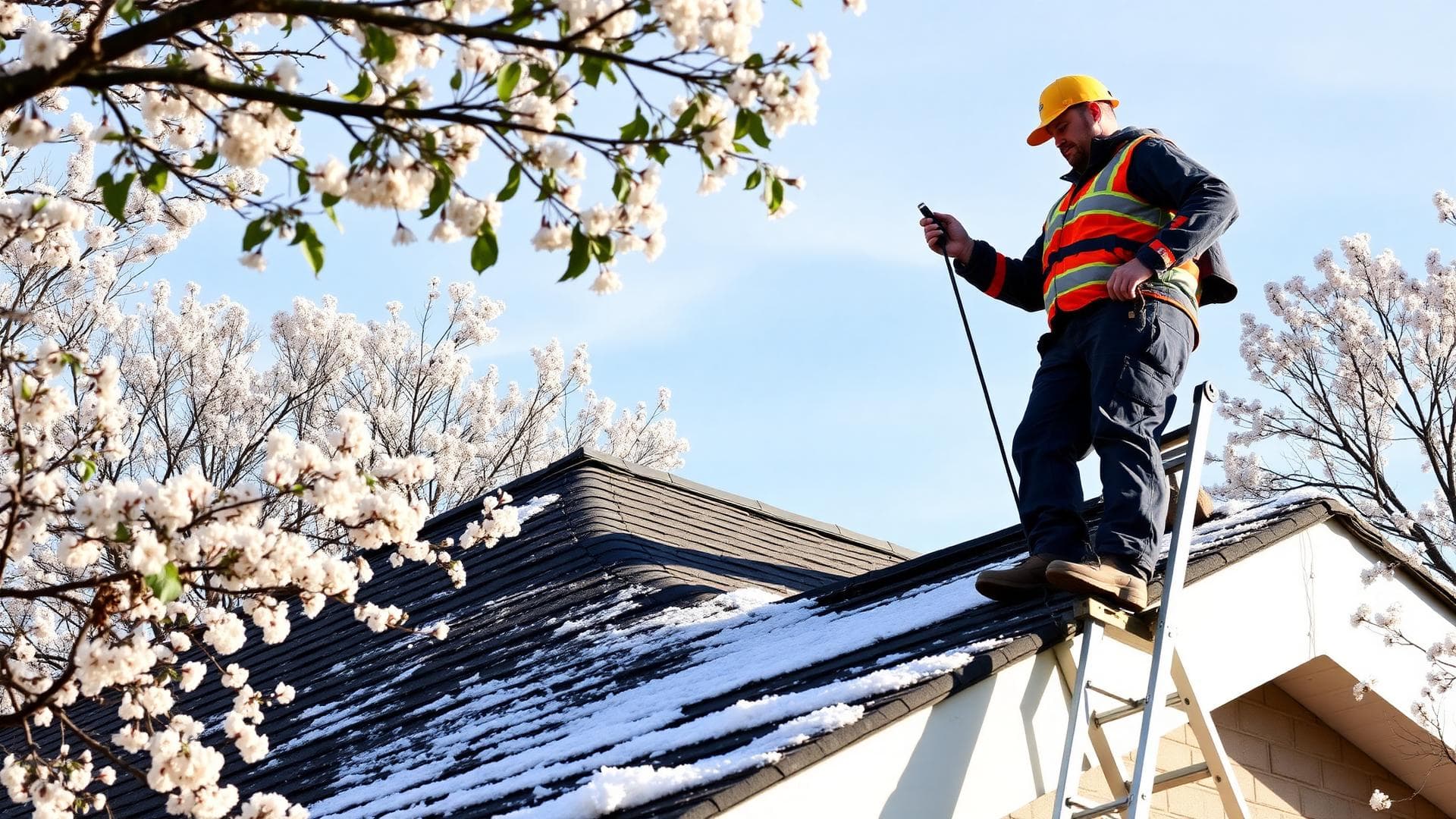
Spring is inspection season. Winter freeze-thaw cycles crack shingles and loosen flashing. Schedule a professional roof inspection in late March or early April, before hail season starts in May.
Walk your property and look for:
- Shingle granules in gutters or downspouts
- Cracked or curling shingle edges
- Loose or missing flashing around chimneys and vents
- Moss or algae growth on north-facing slopes
- Sagging sections or visible dips in the roofline
Clear your gutters of pine needles and debris. Clogged gutters overflow during spring rains and rot fascia boards. Trim tree branches that hang within six feet of your roof. They scrape shingles during wind events and drop leaves that hold moisture.
May marks the start of Front Range hail season. If a storm hits Greenwood Village or nearby Centennial, inspect your roof within 48 hours. Hail dents are easier to document when fresh. Most hail damage claims get filed between May and September.
How do I protect my roof during summer (June through August)?
High-altitude UV is your summer enemy. Colorado gets over 300 sunny days a year, and that constant exposure ages asphalt shingles faster than in other states. Class 4 impact-resistant shingles hold up better and may qualify you for an insurance discount.
Check your attic ventilation in June. Poor airflow traps heat and bakes shingles from below. Your attic should stay within 10 to 15 degrees of the outdoor temperature. If it feels like an oven up there, you need more ridge or soffit vents.
Inspect after every severe storm. Front Range wind gusts reach 60 to 80 mph during summer thunderstorms. Walk the perimeter and look for lifted shingles, torn edges, or missing pieces. Document any wind damage with photos before calling your insurance company.
August is a good month for a mid-season gutter cleaning. Summer storms wash dirt and pollen into valleys. Clogged gutters overflow and stain siding.
What fall maintenance prevents winter roof problems?
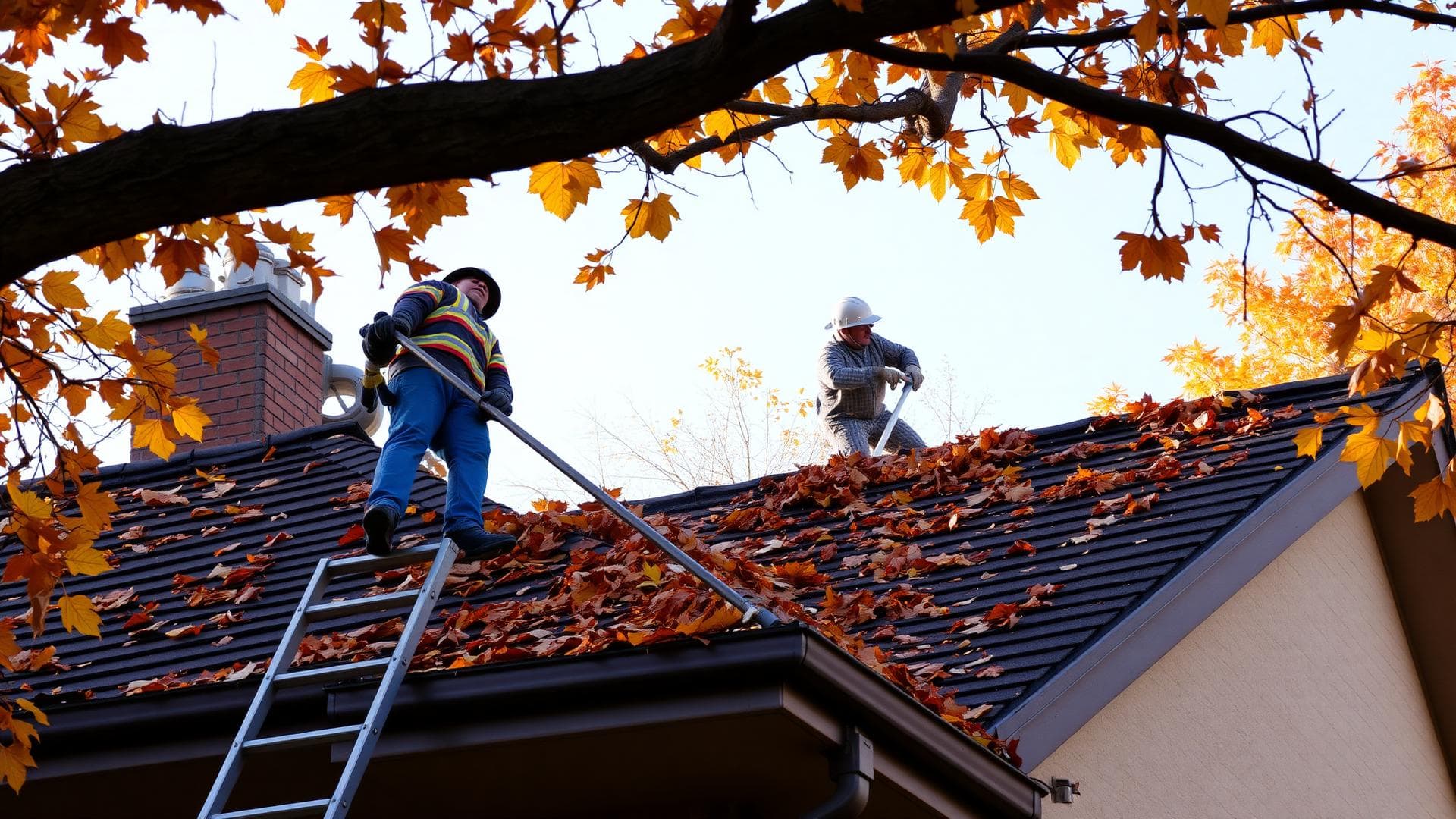
September and October are your prep months. Clean gutters and downspouts thoroughly in late October, after most leaves have fallen. Debris-filled gutters freeze into solid ice blocks come December, and that ice backs water under your shingles.
Inspect and repair any damage before the first snow. Small leaks turn into big problems when freeze-thaw cycles start. Check:
- Flashing around skylights and chimneys
- Rubber boots around vent pipes
- Valley metal for rust or separation
- Shingles along eaves and rakes
Schedule roof repairs in September or early October. Roofing crews book up fast once cold weather hits, and some repairs can't be done safely below 40 degrees.
Trim back tree branches in November. Ice-loaded limbs snap during winter storms and punch holes in roofs. We see this every year in wooded Greenwood Village neighborhoods.
Should I install heat cables or ice guards?
Heat cables prevent ice dams on problem roofs. If your home has a history of icicles along the eaves or water stains on upper-floor ceilings, install them in October. They plug in when temperatures drop and melt channels through snow before it refreezes.
Ice and water shield under your shingles is a better long-term fix. This rubberized membrane goes on during a reroofing project and stops meltwater from seeping through nail holes.
How do I maintain my roof during winter (December through February)?
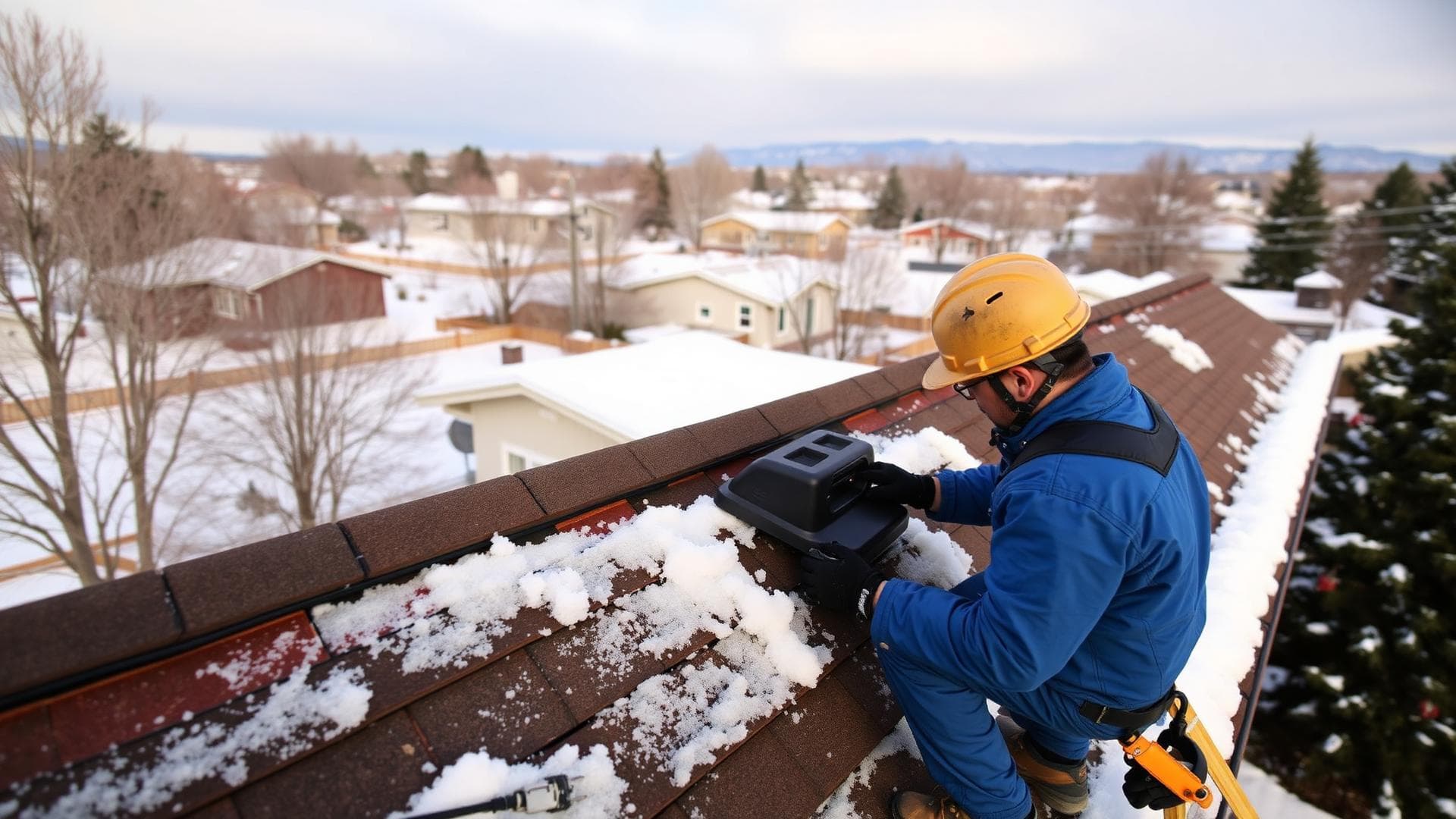
Stay off your roof in winter. Frozen shingles crack under foot traffic, and icy slopes are dangerous. Use binoculars to check from the ground after heavy snow.
Watch for ice dams. They form when attic heat melts snow on your upper roof. The water runs down and refreezes at the cold eaves, building a ridge of ice. Water backs up behind that dam and leaks into your home. Signs include:
- Icicles longer than six inches hanging from gutters
- Water stains on exterior walls below the roofline
- Wet insulation or ceiling stains in upper rooms
If you spot an ice dam, call for help. Do not chip at it with a hammer or use a pressure washer. Both methods damage shingles. Professional removal uses low-pressure steam.
Clear snow from gutters and downspouts after big storms. A snow rake with a long handle lets you pull snow off eaves from the ground. Remove the first three to four feet of snow along the edge. That prevents the weight from tearing gutters off your fascia.
When should I call for emergency service?
Call immediately if you see active leaking, sagging sections, or large missing areas. Winter roof failures happen fast. A small leak on Monday turns into a collapsed ceiling by Friday when temperatures swing from 50 degrees to 10 degrees overnight.
What records should I keep year-round?
Document every inspection and repair. Take dated photos of your roof from all four sides twice a year. Store them in a cloud folder with your homeowners insurance policy number.
Keep receipts for all maintenance work. Insurance adjusters ask for proof of upkeep when you file a claim. A documented maintenance history shows you took reasonable care of your roof.
Note storm dates and damage. If hail hits Greenwood Village in May but you don't file a claim until August, your insurer may question whether the damage is recent. A simple log with dates and photos protects you.
Track your roof's age. Asphalt shingles last 20 to 25 years in Colorado, but high-altitude UV and hail can shorten that. When your roof hits 15 years old, budget for replacement within five years.
Ready for a professional inspection?
Best Roof and Gutter offers free roof inspections for Greenwood Village homeowners. We check shingles, flashing, gutters, and ventilation, then walk you through what we find. No pressure, just straight answers. Call us at (303) 529-7095 to schedule your inspection.
What do gutters actually cost in Denver?
We publish our real installed price ranges, line by line, so you can compare any bid against them.
See real Denver gutter pricing →